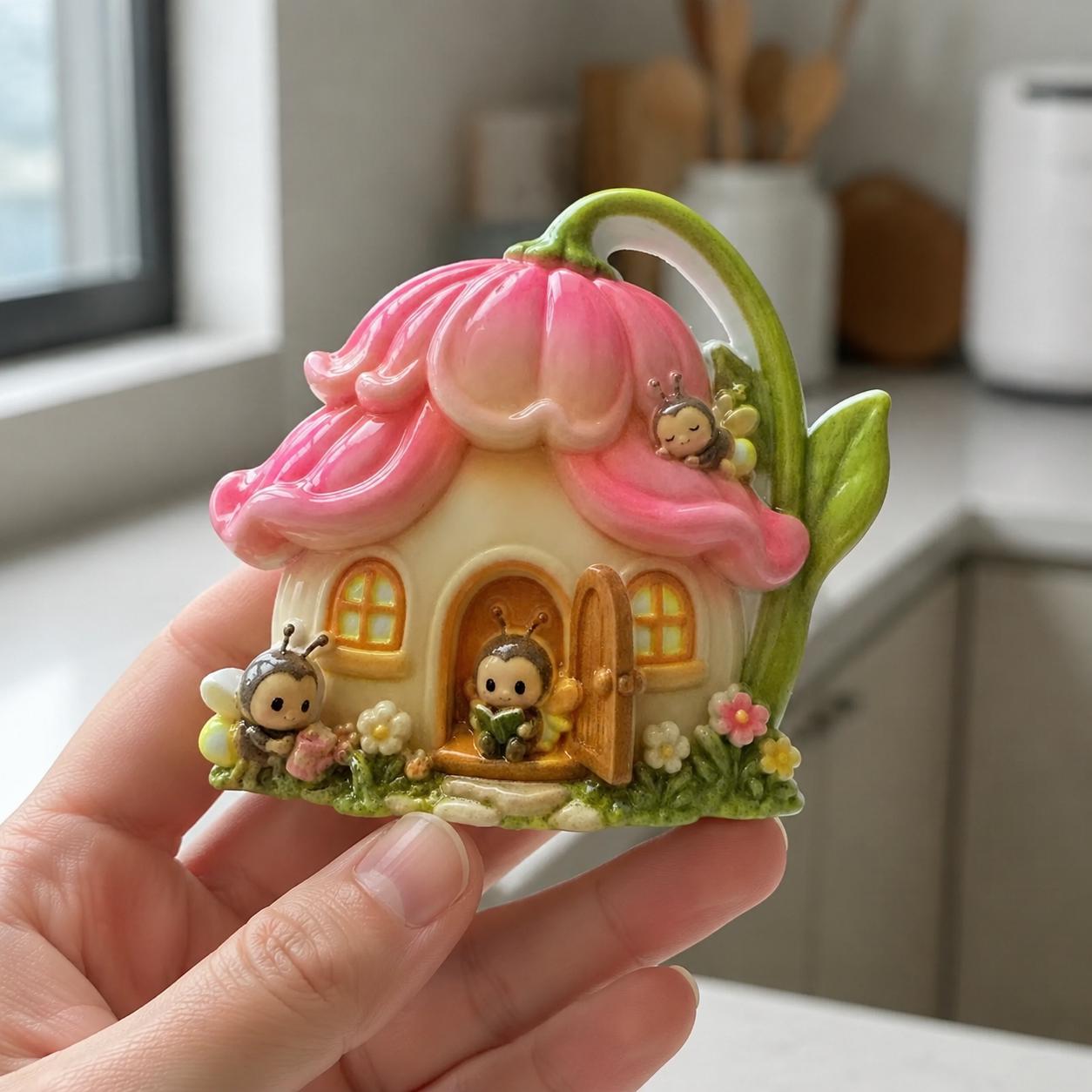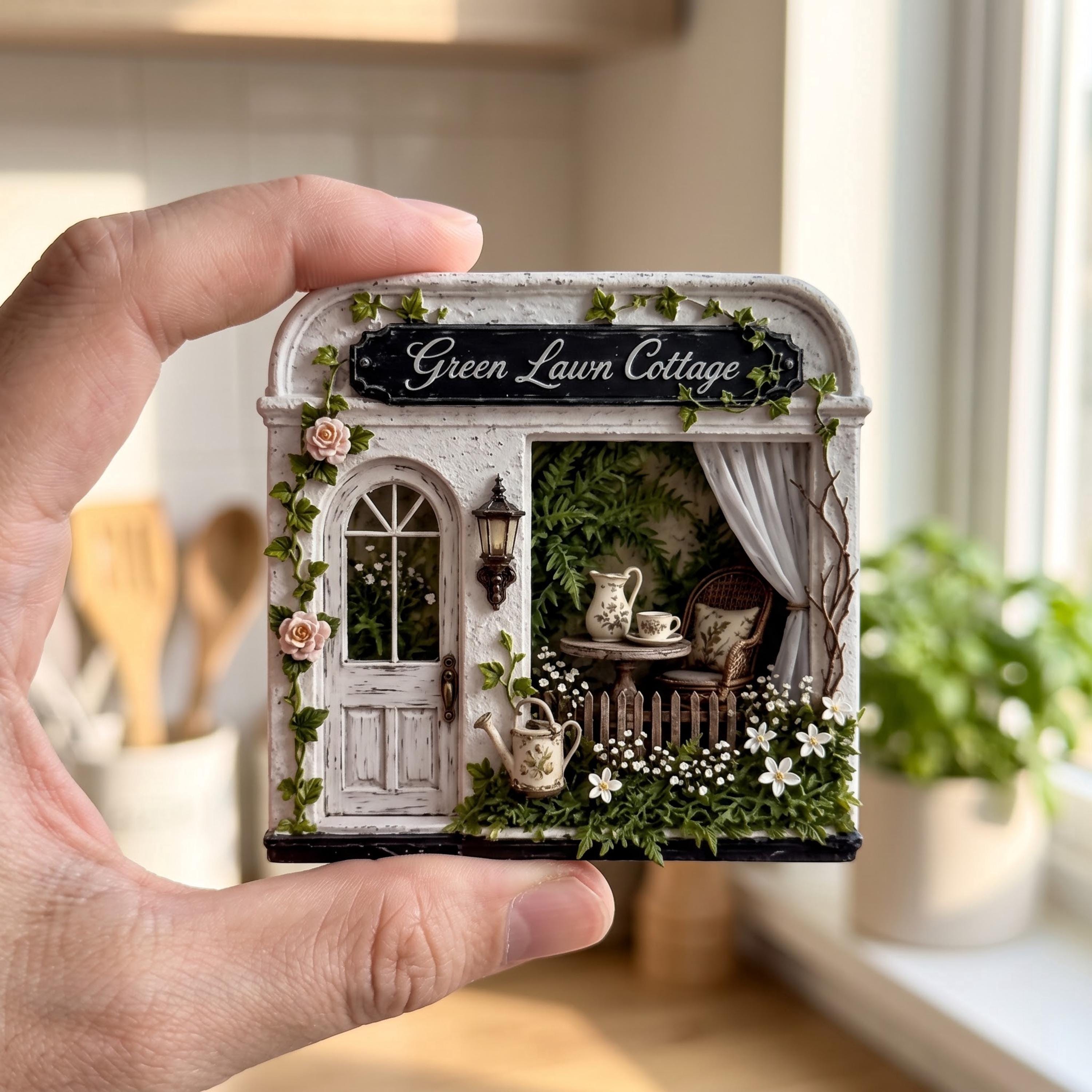
A tightly focused wholesale magnet assortment helps independent retailers and home-decor shops present clear merchandising stories, manage inventory, and appeal to different buyer intents. Good planning combines theme cohesion, varied price points, clear product facts, and attention to display and safety. Below are practical strategies to build an assortment that performs on the shop floor and complements broader home-decor collections.
Clarify the assortment’s role in your shop
Begin by deciding what purpose magnets will serve in your retail mix. Will they be impulse gifts at checkout, small add-on pieces near housewares, or a themed section that complements seasonal displays? The assortment’s role affects everything from price point to packaging size and how many SKUs you want to carry.
For a home-decor catalog like ECLIPSE GIFTS LLC, magnets often act as small, high-turn items that can anchor a table of other cottage or vintage-inspired accessories. Make connections between your magnets and adjacent categories—candles, tea towels, framed prints—so customers can visualize them as part of a styled vignette rather than an isolated impulse buy.
Choose complementary themes and anchor pieces
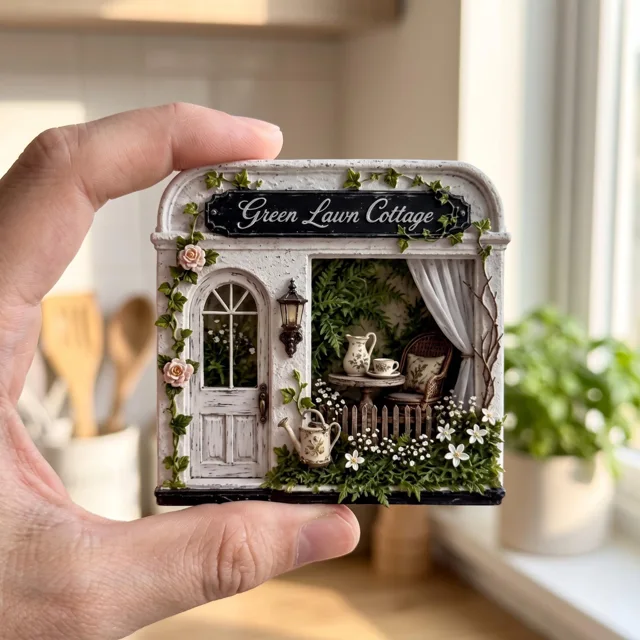
Pursue a clear thematic through-line across the assortment so displays read as intentional. For example, cottage-garden motifs, miniature interiors, and artisan storefront scenes pair well together, creating a narrative of small, lived-in details and slow-living charm. An anchor piece with strong visual character helps set the tone: the Refrigerator Magnet: 3D Vintage Cottage Door Scene makes an excellent focal product because of its 7 x 7 cm dimensional design and recognizable imagery.
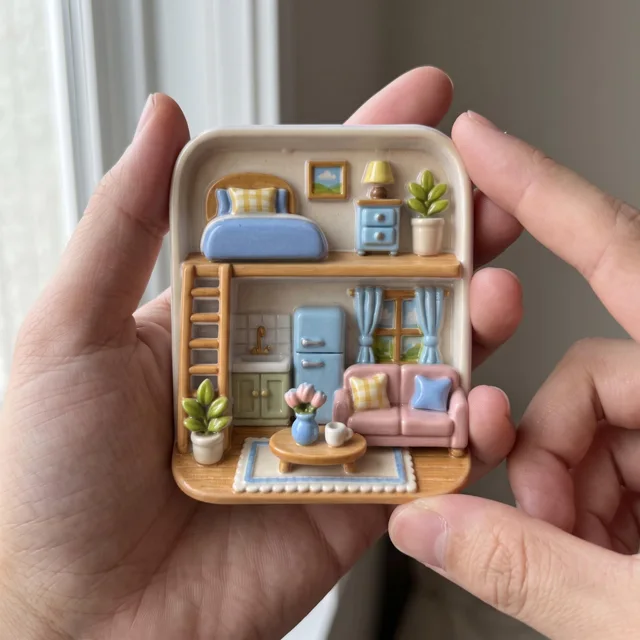
Balance anchor items with simpler supporting magnets that occupy different price and size brackets. The Fridge Magnet Miniature Room Scene With Cozy Home Decor and Plants pairs naturally with a pottery storefront magnet and can be displayed together to reinforce the cozy-interior story. Keep the overall palette and subject matter aligned so cross-selling between magnets and other home-decor lines is seamless.
Mix sizes, relief, and price points
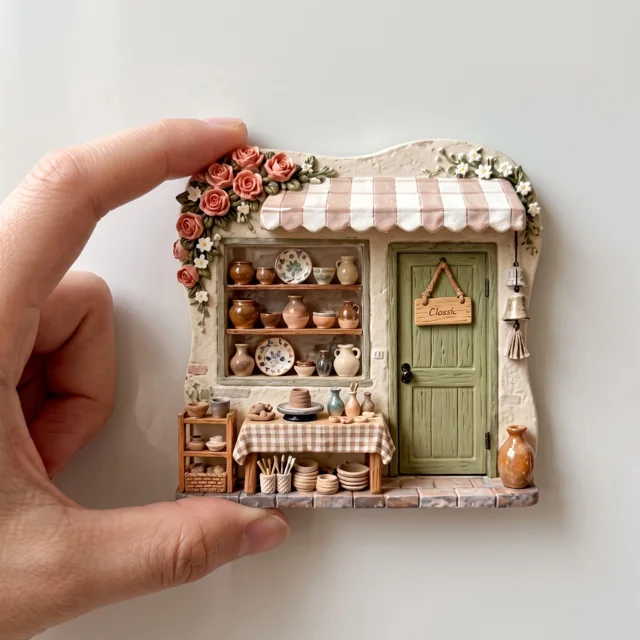
A successful assortment includes a range of tactile and visual experiences. Three-dimensional, high-relief magnets draw attention from a distance and justify slightly higher price points because they function as mini decorative objects rather than flat souvenirs. The Resin Refrigerator Magnet: 3D Miniature Pottery Shop Scene With Floral Awning is an example of a detailed, molded-resin piece that reads as a small collectible and can sit at the upper end of your assortment price ladder.
Complement these with lower-price, simpler designs so shoppers have an easy add-on option. Offering three to five distinct price steps—entry, mid, premium—helps shoppers make quick decisions at the register and gives you flexibility when creating mixed display packs or gift-with-purchase combinations.
Merchandising and display that tell a story
Create displays that let customers see magnets as decorative accents rather than mere functional objects. Group related scenes together—cottage door with potting bench pieces, miniature room scenes with textile swatches—to help shoppers imagine how a magnet fits into a home aesthetic. Use backboards, small easels, or magnetic panels so magnets can be shown in context rather than always lying flat in a bin.
Place magnets where purchase momentum is highest: near checkout lanes, beside relevant home-decor items, or as part of curated gift stacks. If your store presents a seasonal cottage-garden table, include magnets from your magnet assortment alongside complementary pieces from /collections/cottage-garden/ to create a cohesive micro-collection that invites multiple purchases.
Inventory rhythm and reorders for small goods
Magnets are small, inexpensive items that can turn quickly, so set reorder triggers based on velocity and display needs rather than purely on time. Track how many units of each SKU you commit to displays and how often you replenish. Anchor pieces with strong visual appeal may have longer shelf life but warrant steady replenishment so displays never look sparse.
For wholesale arrangements, maintain clear communication about shipping cadence and typical lead times via your /wholesale/ contact. Keep order parcels manageable for restocking: small, frequent reorders reduce carrying costs and let you adapt the assortment according to which motifs resonate most with customers.
Pricing, labeling, and product information
Clearly label each magnet with retail price and short descriptive cues that reinforce the theme: material (resin), size, and suggested placement. Avoid overstating technical claims; stick to verifiable facts such as the 7 x 7 cm size and that pieces are decorative high-relief magnets made of molded resin. Retail sticker clarity helps staff answer buyer questions quickly at register.
Include merchandising cards or small tags that suggest pairings—"pairs with pottery shop and miniature interiors"—to encourage multiple item purchases. For wholesale buyer inquiries, direct them to /wholesale/ or have them email [email protected] to request terms and assortments; do not promise online card payment—orders are handled by mail requests.
Safety, materials, and responsible merchandising
Keep safety visible in your retail copy and staff training: magnets and small pieces should be kept away from children and pets. A swallowed magnet is a medical emergency and requires urgent attention. Since these decorative magnets are not toys, display them in ways that discourage handling by young children—higher shelves, locked displays, or behind counters when appropriate.
Provide basic care guidance on a small card or refer customers to /care/ for cleaning and handling tips. This reassures buyers that the pieces are intended for decorative use in kitchens, offices, and entryways, and encourages proper placement so they remain a delightful accent for a long time.
Communicating wholesale assortment value to buyers
When selling to independent retailers, frame the assortment in terms of visual storytelling and merchandising flexibility: a few strong, high-relief centerpiece magnets complemented by several lower-priced coordinating designs create both immediate pull and opportunities for add-on sales. Use product images and curated mock displays to show how items sit together on a magnet board or in a small tabletop vignette.
Direct wholesale inquirers to /wholesale/ for program details or ask them to contact [email protected] for tailored assortment suggestions. Include clear lead times, minimums, and any packaging details in written correspondence so buyers can plan displays and pricing without surprises.
Topics: wholesale magnet assortment planning, decorative refrigerator magnets, gift shop inventory, magnet assortment strategy