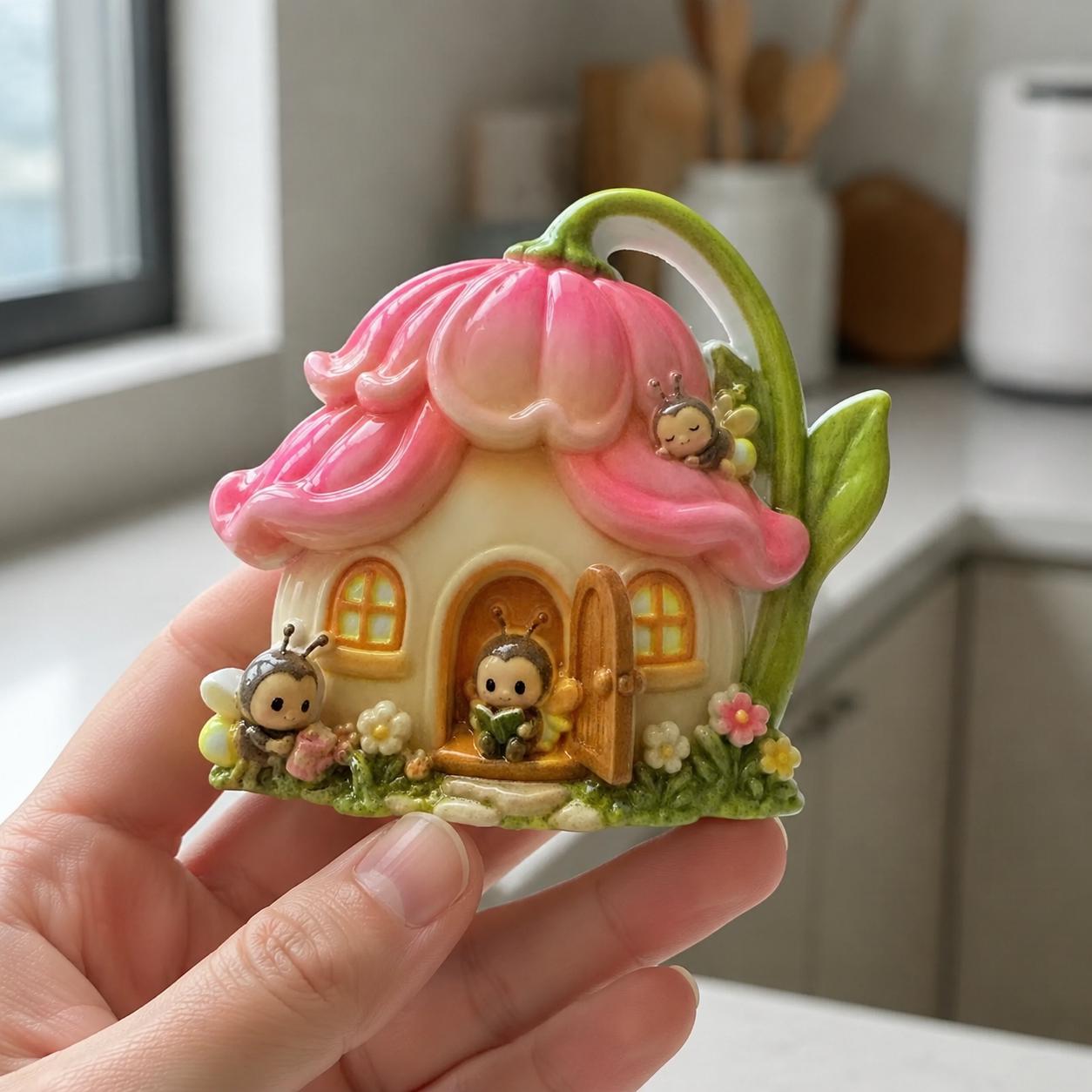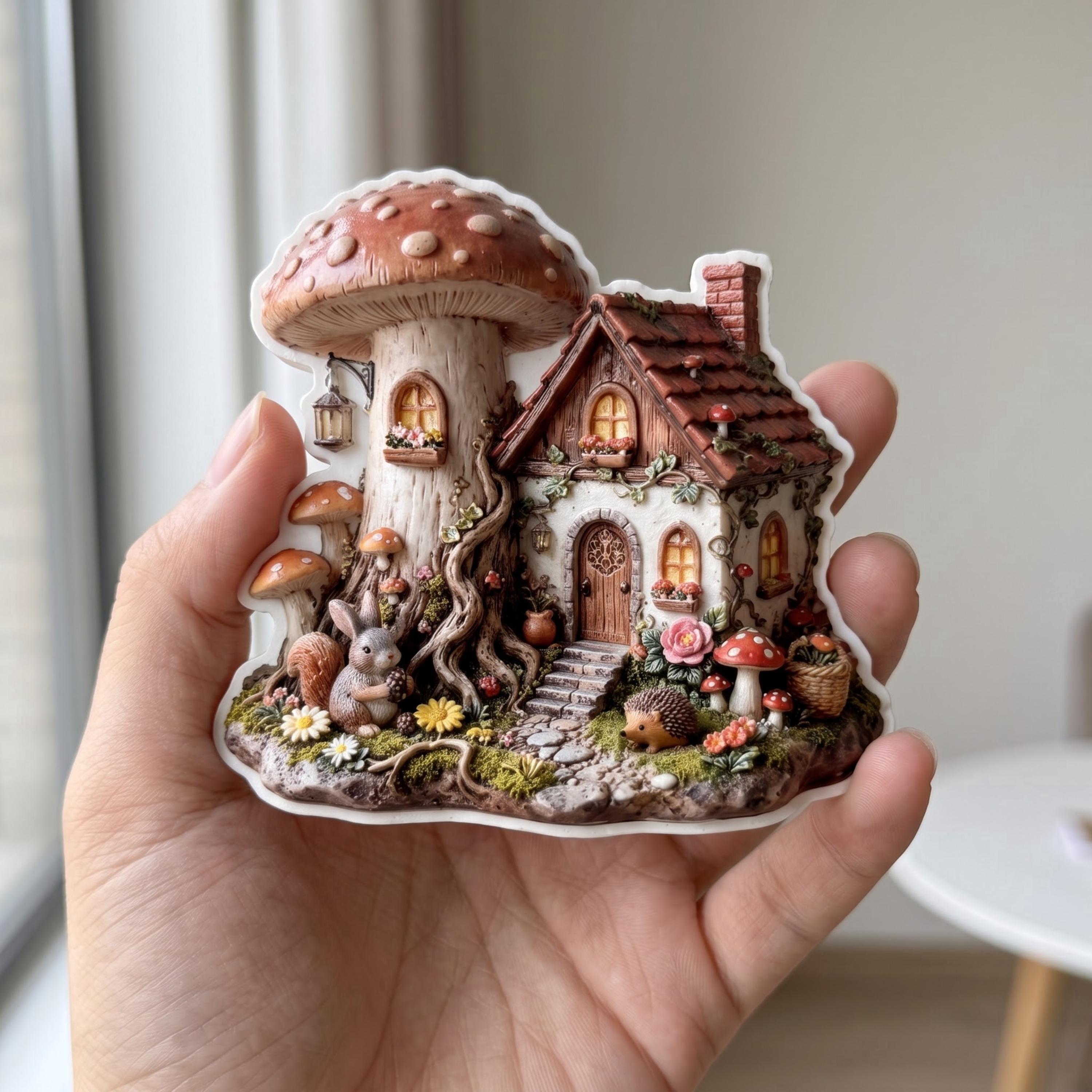
Embroidered fabric house magnets add texture and charm to a refrigerator, magnetic board, or craft display. Proper care keeps stitching crisp, colors bright, and the magnetic backing secure without compromising the soft, decorative surface. This article explains cleaning methods, minor repairs, display and storage best practices, and retail concerns for independent gift retailers and home-decor shoppers.
Know what you have: materials and limitations
Before you clean or handle an embroidered fabric house magnet, identify the materials used in its construction. Embroidered magnets typically combine cotton or linen fabrics, thread, batting or interfacing for shape, and a magnetic backing glued or stitched in place. These components respond differently to water, heat, and solvents, so conservative care preserves both embroidery and the magnet backing.
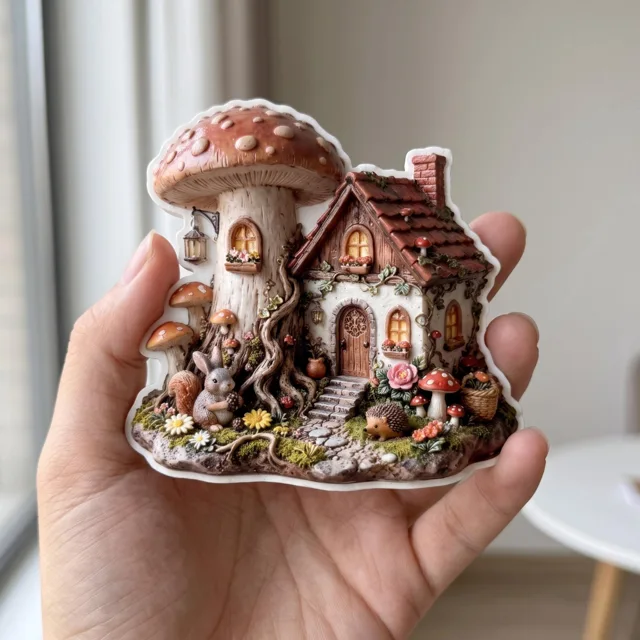
Because decorative fabric magnets are not toys, keep them in places where small details aren't at risk of being pulled off by curious hands or pets. If you sell or display a collection alongside other magnetic pieces such as resin cottage magnets like the Resin Mushroom Cottage Magnet, separate the soft fabric pieces to avoid abrasion that can flatten stitches or transfer dye.
Gentle cleaning for everyday dust and grime
Regular light cleaning prevents buildup that can dull embroidery. Use a soft, dry brush (a clean makeup brush or a soft toothbrush) to remove surface dust, brushing in the direction of the stitches to avoid fraying. A handheld lint roller on the lowest-tack setting can lift pet hair and lint without stressing threads.
For faint spots, spot-clean with a barely damp white cloth and a drop of mild detergent. Blot—don't rub—working from the outer edge of the stain toward the center to avoid spreading. After spot-cleaning, blot with a dry white cloth and air-dry flat on a towel away from direct sunlight or heat sources that might warp the backing or weaken glue. Avoid soaking embroidered magnets; excessive moisture can delaminate the magnetic backing or distort the embroidered surface.
Addressing snags, loose threads, and small repairs
Snags are common with textured embroidery. Trim only the protruding fiber with sharp scissors close to the fabric surface; do not pull the thread back through. If a stitch has broken or come loose, use a fine needle and color-matching thread to make small reinforcing stitches on the underside or edge where they won't show. A tiny dab of clear fabric glue on the knot can help secure the repair—apply sparingly and allow to dry fully before returning the magnet to display.
When the magnet backing lifts or the piece separates at a seam, a reattachment using a low-temperature fabric adhesive or a thin line of PVA glue (white craft glue) applied to the magnet surface often works. Clamp gently with a low-pressure weight and let cure according to the glue instructions. For retail displays, keep a stash of spare magnets and adhesive to quickly restore pieces that need attention before customers view them.
Safe display and placement strategies
Placement affects longevity. Avoid mounting embroidered fabric magnets on surfaces that are frequently touched or where spills can occur—near the stove or sink, for example—to reduce grease and moisture exposure. Position decorative magnets at eye level or on less-used panels so the embroidery remains visible and less prone to repetitive handling that causes abrasion.
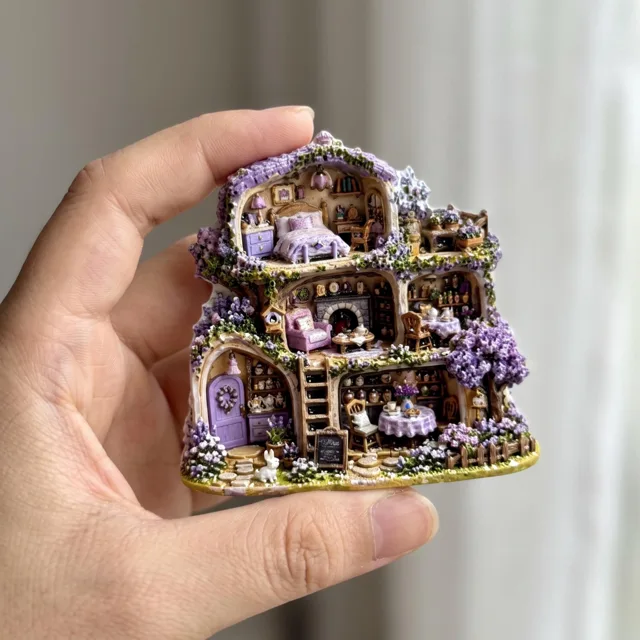
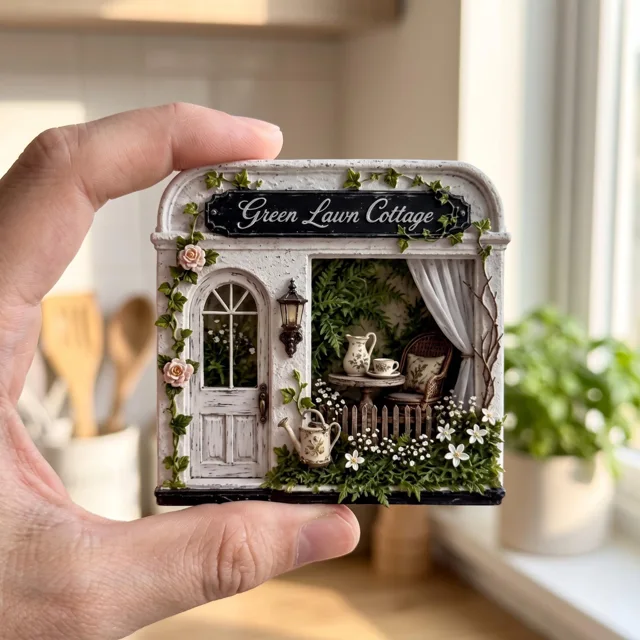
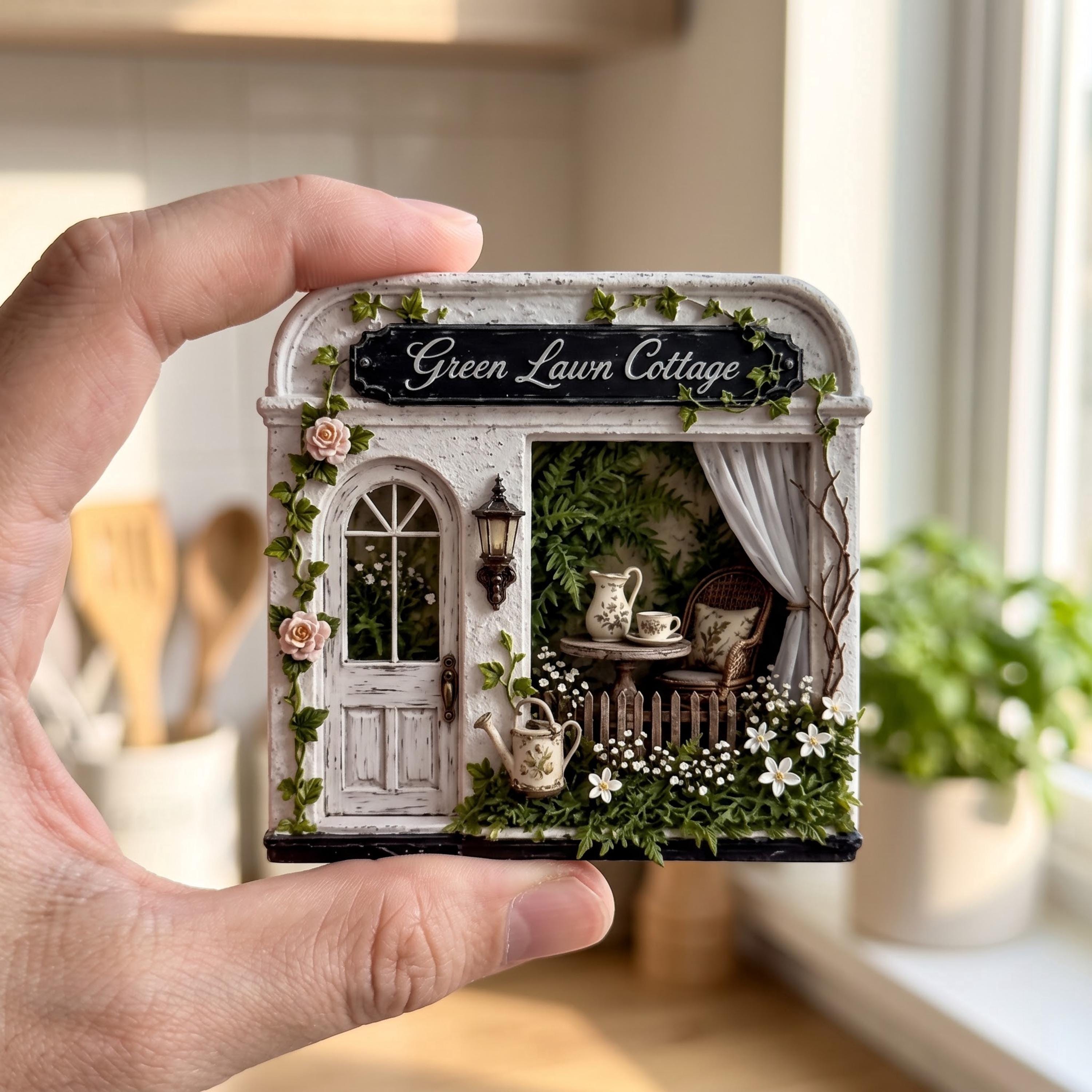
If you pair fabric magnets with sturdier decorative pieces such as the 3D Vintage Cottage Door Scene or the Purple Miniature Cottage Scene, ensure they do not press directly against one another. Use felt pads or thin foam spacers behind heavier magnets to prevent crushing the embroidery and to protect delicate stitches from being flattened by weight or frequent repositioning.
Storage and seasonal rotation
When not on display, store embroidered magnets flat in a dry, cool place away from sunlight. Use archival tissue between items to prevent color transfer and friction. A shallow box with dividers is ideal; layer each magnet in a separate compartment to keep shapes intact and prevent magnetic surfaces from sticking together unevenly.
For seasonal rotation, keep an inventory list and photograph each magnet before storage so you can check condition at the time of re-display. If you sell wholesale or maintain a larger retail stock, organize storage by SKU and style—this makes inspection and surface cleaning quick when rotating new pieces onto counters or into merchandising trays. See wholesale details at /wholesale/ and product categories at /collections/cottage-garden/ for shelving ideas and display coordination.
Retail handling and merchandising tips
Independent gift retailers should handle embroidered magnets with care when restocking or showing customers. Train staff to lift items by edges rather than gripping embroidered fronts. Use tray displays with fabric liners or small easels so shoppers can view texture without repeatedly picking items up. Include signage that explains these are decorative fabric magnets and suggests gentle handling.
When merchandising alongside resin or sturdier pieces, group by theme rather than material to reduce cross-contact wear. For example, a cottage-themed vignette can include fabric house magnets as soft accents next to a resin mushroom cottage magnet; separate materials slightly to prevent abrasion. If buyers wish to order, direct them to contact ECLIPSE GIFTS LLC at [email protected] or the site /contact/ for purchase and wholesale inquiries.
Safety considerations for homes and shops
Embroidered fabric magnets are decorative items with small parts and a magnetic backing. Keep them out of reach of young children and pets. If a magnet or any detachable component is swallowed, seek immediate medical attention—swallowed magnets can cause serious internal injury. Include appropriate warnings on display cards when selling in retail contexts and advise caretakers on safe placement in the home.
Also be mindful of electronic devices and credit cards when placing strong magnets nearby; store magnets in a dedicated box away from such items during storage or transit. For general care guidance and other product care topics, see /care/ and the journal at /journal/ for additional merchandising and product-safe handling ideas.
Topics: fabric house magnet care, embroidery magnet maintenance, fabric magnet cleaning, magnet safety for retailers