Not every refrigerator surface will hold decorative magnets—finish, material, and age all matter. This article shows simple tests and careful inspection techniques to determine if your fridge is magnet friendly, explains why some modern finishes resist magnets, and offers clear, practical tips for displaying decorative magnets and protecting finishes. Retailers and home shoppers will find guidance for merchandising magnets in stores and at craft fairs, plus safety reminders for households with children or pets.
How to tell if your fridge is magnet friendly
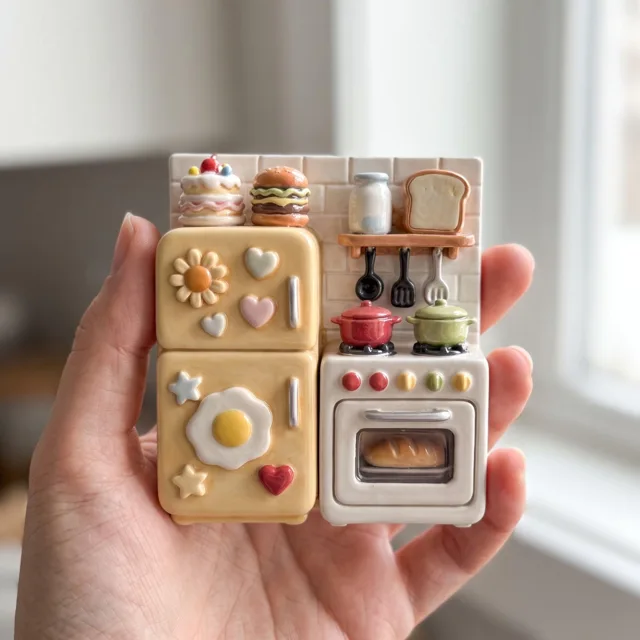
Start with the simplest test: try a small magnet in an inconspicuous spot. Use a dime-sized magnet or one of the decorative pieces listed here, like the Kitchen Fridge Magnet: Raised Miniature Stove and Refrigerator Scene, to see if it holds. If the magnet clings securely, you have a magnet friendly refrigerator surface and can confidently arrange magnets for notes, photos, or décor.
If a magnet slides or falls, that indicates a non-ferrous outer layer—common with some stainless steel finishes, powder-coated paint, or plastic overlays. Try different areas: the door, sides, and interior magnetic panels can differ depending on model and trim. Keep tests brief and avoid using strong adhesives or heavy objects during this check.
Why some refrigerators resist magnets
Refrigerator exteriors vary. Traditional models have a steel outer shell that attracts magnets easily, while many modern stainless steel or textured finishes are brushed, coated, or bonded to a thin stainless skin that’s non-magnetic. Powder coatings and vinyl wraps are common on budget and custom-painted appliances, creating a non-ferrous barrier between magnets and the metal beneath.
Manufacturers also sometimes apply anti-fingerprint coatings or insulating layers that reduce magnetic contact. This is why a magnet might stick in one place and not another—beneath a decorative or plastic trim there may still be ferrous metal, whereas fully wrapped doors won’t be magnet friendly. When in doubt, test near the edges or on the inside of the door where the steel shell is more likely exposed.
Tests that go beyond the simple magnet check
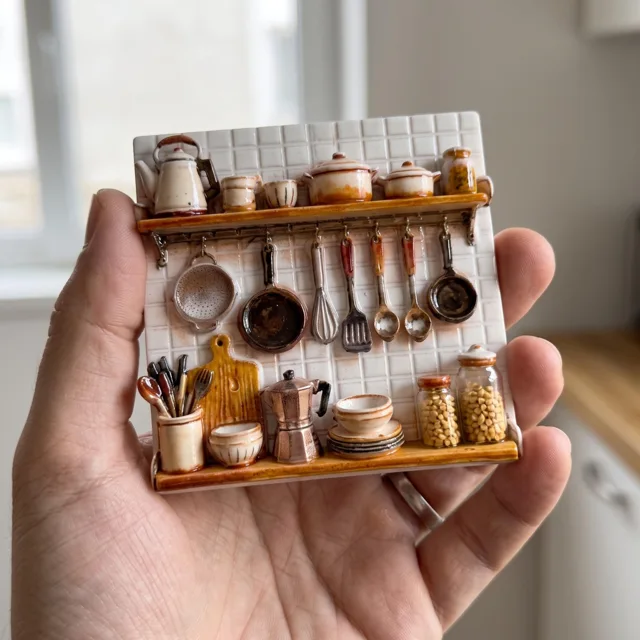
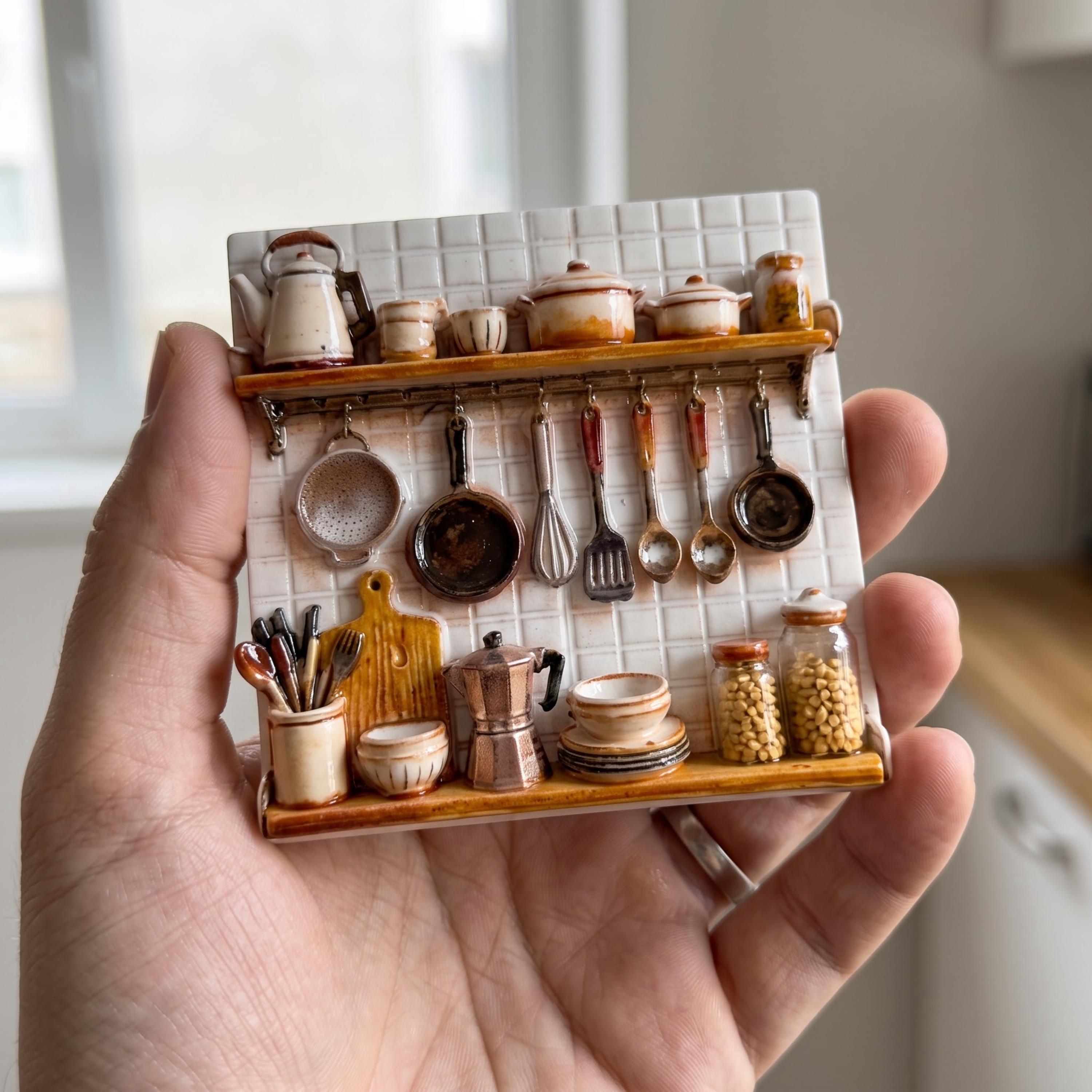
If you want to be thorough, use at least two magnets of different strengths and sizes. Smaller decorative magnets help show if a surface offers reliable holding power for lightweight items; stronger utility magnets will reveal whether sturdier attachments are possible. For example, a resin decorative magnet such as the Refrigerator Magnet: Resin Relief Kitchen Shelf Scene With Miniature Cookware is a good test piece because it’s compact and meant to be displayed on magnetic surfaces.
Another useful technique is the paper-clip test: if a paper clip will stick, the surface is magnetic. Keep tests modular—don’t use sharp tools or strong adhesives. For retail settings, encourage staff to keep a small testing kit: a couple of sample magnets plus a paper clip and a non-abrasive cloth for wiping the finish after testing.
Care and surface protection when using decorative magnets
Decorative magnets add personality but contact points can scratch delicate finishes. Use soft-backed magnets or place a thin felt pad between a heavier decorative magnet and the refrigerator to prevent scuffs. See our maintenance recommendations under /care/ for cleaning tips to remove grime without damaging coatings.
When arranging multiple magnets, avoid overloading a single spot. Even on magnet friendly refrigerator surfaces, concentrated pressure can stress paint or coatings over time. Rotate display positions periodically and clean both the magnet’s back and the fridge surface to keep adhesion consistent and to reduce the chance of moisture-trapped discoloration.
Safety considerations for households and retail displays
Magnets and small decorative pieces present hazards if swallowed. Keep sets and individual magnets away from young children and pets. If a magnet is swallowed, seek urgent medical attention—multiple magnets can attract each other through intestinal walls and cause serious injury. For public retail displays, place magnets out of reach of small children or mount samples behind protective acrylic panels.
Label displays clearly if magnets contain detachable small parts or fragile details. Train retail staff to inform customers that decorative magnets are not children’s toys and to recommend safe placement in family homes. Wholesale buyers can include simple safety inserts with packaged magnet sets to meet basic consumer information expectations.
Practical tips for merchandising magnets in stores or markets
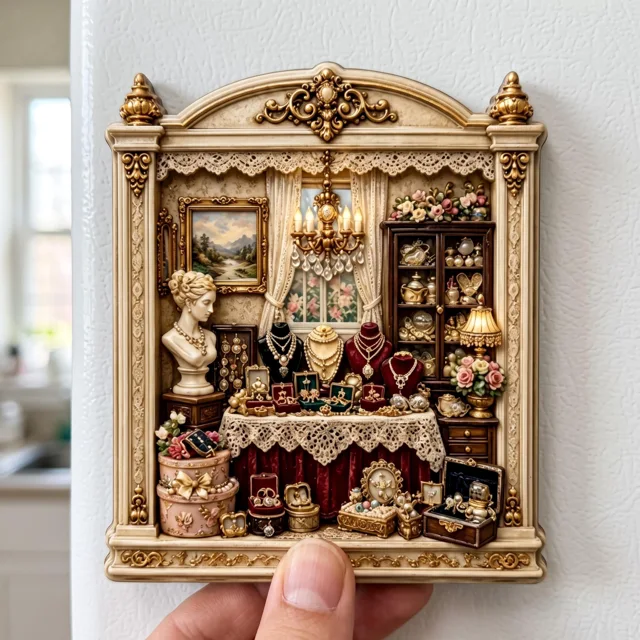
Independent gift retailers can create effective point-of-sale presentations that show magnets in context. Use a metal display board to highlight magnet friendly refrigerator surfaces and demonstrate how items like the Resin Relief Fridge Magnet, Victorian Jewelry Shop Scene appears when mounted. Visual context helps customers imagine magnets on their own appliances regardless of finish type.
Group magnets by theme or color and keep inventory tags visible. For wholesale inquiries and terms, direct buyers to /wholesale/ and for general questions about the catalog or individual items, use our contact link at /contact/. Because orders are placed via mailto requests, include clear product SKUs or URLs to speed processing.
Alternatives and solutions if your refrigerator isn’t magnetic
If testing shows your refrigerator is not magnet friendly, there are attractive alternatives. Magnetic sheets or small metal wall plaques can be mounted with non-permanent adhesive to create a dedicated magnetic display area without altering the appliance. Select a spot near the kitchen command center or mount a metal board on a nearby wall to capture the same convenience.
Another option is adhesive-backed hanging hardware for lightweight decorative magnets; choose pads that are safe for surfaces and removable. For retail or display at shows, bring a portable metal panel so customers can experience the look and function of magnets without relying on their own appliance finishes. See more display ideas in our /collections/cozy-kitchen-home/ to pair magnets with complementary home decor pieces.
Topics: magnet friendly refrigerator surfaces, refrigerator magnets, magnetic surfaces for decor