A small seasonal magnet rotation keeps kitchens fresh, celebrates holidays, and gives independent retailers a low-cost way to refresh displays. This editorial explains how to build a compact, manageable rotation system: choosing themes, arranging magnets for visual impact, storing and caring for delicate pieces, and offering merchandising tips for retailers. Safety and maintenance advice is included so your decorative magnets stay charming season after season.
Define Your Rotation Framework
Start with a clear schedule and a shortlist of themes. A practical rotation works best when you commit to a simple timeline: monthly, six-week, or tied to major holidays (spring, summer, fall, winter, plus key events). Narrowing themes—such as winter wonderland, coastal summer, harvest, and floral spring—keeps the collection focused and reduces decision fatigue. For retailers, a consistent cadence helps customers anticipate new displays and can be coordinated with in-store or window displays. Learn more about seasonal options in our Seasonal Treasures collection.
Decide how many magnets make a set. For small rotations, plan on changing 6–12 pieces per cycle for a refrigerator or display board. That number is large enough to create interest but small enough to store and swap quickly. Keep a core of neutral pieces that work across seasons—plain metallics, simple shapes, or evergreen motifs—and layer in distinctive seasonal pieces to change the mood.
Select Magnets with Intent
Choose focal pieces and supporting accents. A successful rotation balances an eye-catching centerpiece magnet with smaller complementary pieces. For example, a dimensional seasonal centerpiece like the Christmas Snowman Magnet works beautifully as a winter anchor paired with subtle snowflake or metallic accents. The snowman’s embossed 3D detail and pastel hues make it a clear focal point that draws the eye.
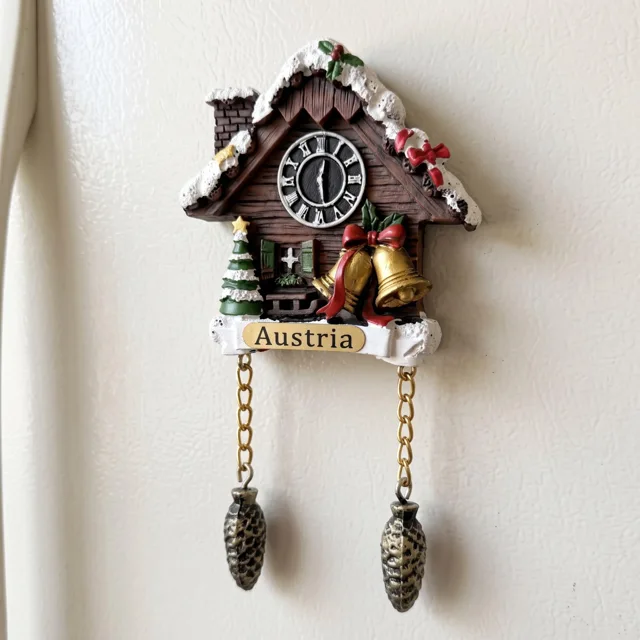
Consider scale, color, and texture. Mix flat and relief magnets to give depth and contrast; resin relief pieces bring tactile interest. The Snowy Cuckoo Clock House adds narrative and texture with its dangling pinecone pendulums and snowy roof—pair it with smaller round or square magnets in complementary colors so the scene reads as cohesive rather than cluttered.
Plan the Display Layout
Use zones and visual anchors. Lay out magnets in clusters or grids depending on the fridge size and the story you want to tell. Reserve the central zone for the focal magnet(s), then create supporting zones above, below, or to the sides. This keeps the arrangement readable from a distance and prevents the surface from looking overcrowded. For retail displays, group magnets into themed panels to help shoppers visualize the full set.
Vary spacing and orientation. Small shifts in spacing can change a composition from chaotic to curated. Leave breathing room around intricate pieces so the details register; for visually busy magnets—like the cuckoo clock house—allow extra space so the chains and pendulums are visible. Rotate orientation occasionally (tilted, straight, or staggered) to add visual interest, but keep a consistent baseline to maintain balance.
Storage and Care for Seasonal Pieces
Store with separation and padding. When magnets come off rotation, keep them protected in an archival box or compartmentalized tray. Wrap delicate resin relief pieces in soft tissue or place them in foam-divided sections to prevent chipping, especially for pieces with dangling elements. Flat magnetic sheets or cardboard separators stop magnets from scratching painted surfaces during storage. See our general care guidance on the Care page for more tips.
Clean gently and inspect before each season. Wipe decorative magnets with a soft, dry cloth to remove dust and kitchen grease. Avoid harsh chemicals that can alter paint or finishes. Before rehanging, check that magnetic backs remain securely attached and that small parts—chains or pendants—are intact. Discard or repair any pieces showing structural weakness before they re-enter a display.
Safety and Household Considerations
Keep magnets and small parts away from children and pets. Decorative magnets are not toys—many contain small components, chains, or sharp edges. Store off the floor and out of reach when not in use. If a magnet or small piece is swallowed, seek medical attention immediately; multiple magnets or a magnet and a metal object can attract through intestinal walls and cause serious injury. Label storage containers with a clear safety note if you keep them in shared family areas.
Mind the surface and appliance specifics. While most decorative fridge magnets attach to many magnetic surfaces, avoid placing heavy or irregularly backed pieces near appliance vents, seals, or plastic trims that could scratch or obstruct functionality. For retailers, include a brief safety card or tag with each package reminding buyers about small parts and child safety, and direct wholesale inquiries to /wholesale/ for partner terms.
Retail and Wholesale Merchandising Tips
Create mini-collections and gift-ready groupings. For independent retailers, sell small curated sets that tell a story—seasonal clusters make impulse-friendly gifts and easy add-ons at checkout. Use a tabletop board or metal sheet to stage rotation examples so customers can see how pieces layer and interact. Link your display to online or printed materials that show alternate layouts and care notes; prospective buyers can request orders via /contact/.
Rotate stock on the sales floor, not just inventory. Refresh point-of-sale displays every 4–6 weeks to keep the floorplan lively. Use a consistent merchandising kit—small panels, hooks, and magnet boards—to swap themes quickly. For extended wholesale arrangements, coordinate seasonal palettes and lead times through your wholesale contact; wholesale terms and inquiries are available on the /wholesale/ page.
Practical Swapping Workflow
Set a quick, repeatable routine. Designate one day each rotation period for swapping: remove and inspect outgoing pieces, clean the surface, and rehang the new set using a layout template or photo guide. Keep spare adhesive magnetic strips and a microfibre cloth in your magnet kit for fast touch-ups. If you manage multiple fridges or displays, create a simple spreadsheet or checklist to track which themes go where and when they were last rotated.
Document favorite layouts and best-sellers. Photograph each successful arrangement and catalog it with product SKUs or titles; this makes re-creating popular mixes fast and aids reorder decisions. For retailers, sharing these photos in small printed inserts near the display or as part of an email list helps customers replicate looks at home and increases ancillary sales from complementary home decor items. For inspiration and product choices, browse our Seasonal Treasures collection and sample pieces like the Christmas Snowman Magnet and the Snowy Cuckoo Clock House.
Topics: seasonal fridge magnet rotation, fridge magnet display, decorative magnets, magnet merchandising