Seasonal gift display planning balances visual abundance with inventory restraint. Whether you’re styling a home-gift nook at home or arranging a countertop feature in an independent shop, thoughtful curation, staggered replenishment, and careful merchandising keep displays fresh while avoiding overstock. This article offers practical layout strategies, selection and pacing advice, safety reminders for decorative magnets, and simple systems for tracking what moves and what lingers.
Start with a focused theme and a capsule assortment
Begin by choosing a single clear theme that fits the season—winter nostalgia, holiday travel keepsakes, or cozy kitchen cheer. A focused theme reduces the number of SKUs you need to show at once while still creating a cohesive visual story. For example, anchor a display around snowy motifs and complement it with a few well-chosen pieces rather than every seasonal item you own.
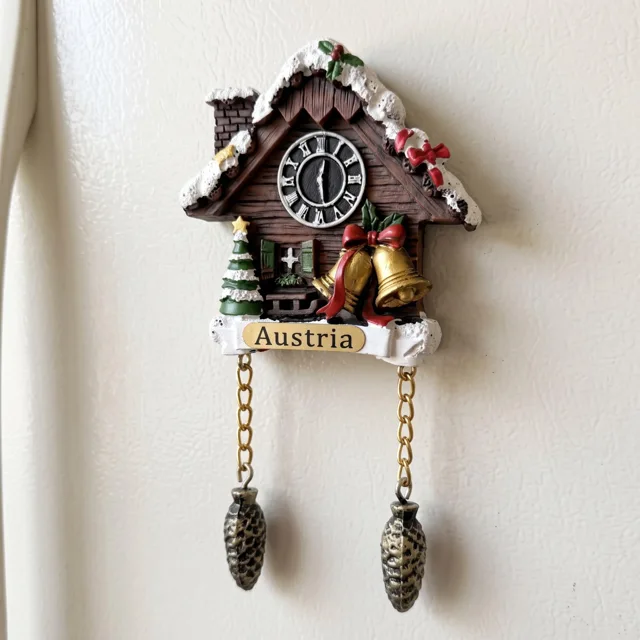
For small gift displays, think in capsules of 6–12 items that work together by color, scale, or concept. Include one or two eye-catching feature pieces (larger, more detailed items) and several supporting smaller pieces. A featured snowman magnet can pair with alpine or cuckoo-clock themed pieces to create a convincing seasonal vignette without excessive variety.
Use a rotating cadence to suggest abundance
Rotate stock on a predictable cadence—weekly or every two weeks—so the display feels new even with limited inventory. Swap one or two items each rotation and change props such as linens, greenery, or small risers to alter sightlines. This technique keeps the presentation dynamic and encourages repeat visits from shoppers who notice fresh combinations.
Plan rotations in advance. Map out which items will appear when and how many will be held in reserve for each cycle. Keeping a small reserve prevents stockouts while avoiding long-term overstock. For independent retailers, this also helps when planning reorders and managing cash flow against seasonal demand.
Merchandise strategically: layers, heights, and focal points
Create depth with layers and varied heights to make fewer items look plentiful. Use small platforms, framed boards, wooden crates, or books under fabric to raise certain pieces and form a focal point. Position one standout piece—such as the Christmas Snowman Magnet—at eye level and surround it with smaller complementary items.
Group like with like to reduce visual clutter: metallics in one cluster, naturals in another. When merchandising magnets on a counter or metal board, arrange them in mini-scenes rather than a grid; this draws attention to the story and lets each piece breathe. Smaller clusters encourage shoppers to inspect items closely without feeling overwhelmed by quantity.
Choose multi-use props and flexible display fixtures
Invest in a few versatile display pieces that serve across seasons: neutral risers, clear acrylic stands, and small galvanized trays can be reused indefinitely. These fixtures allow you to change the visual message without changing everything in the display. Lightweight options are also simple to store when you need to rotate the look.
Magnetic boards, metal trays, and portable easels are particularly helpful for decorative magnets because they let you test arrangements in different locations. Place several magnets on a dedicated magnetic patch to highlight a subtheme—try a snowy house motif featuring the Snowy Cuckoo Clock House paired with smaller accents.
Be selective about inventory levels and reordering
Avoid one-size-fits-all reorder quantities. Track how long items stay in a display and which pieces truly sell. A sensible rule for small retailers: keep no more than two to four identical decorative magnet units on the sales floor for any given design, with one to two additional pieces in backstock for quick replenishment. This prevents a crowded display while ensuring availability.
Create a reorder schedule tied to performance: slow movers might be discounted or relocated to a secondary display; fast movers get restocked promptly. For larger seasonal launches, stagger arrivals so new pieces become available across the season rather than all at once—this sustains customer interest and spreads purchasing risk.
Pricing, signage, and perceived value
Clear signage helps shoppers make quick decisions. Use price tags and short copy to explain materials, care, and suggested uses. For instance, list the decorative nature and care tip for a resin piece near the product: wipe gently with a soft, dry cloth to preserve painted details. This gives shoppers confidence without cluttering the display.
Bundling creates perceived value without overstock. Offer curated pairings—two magnets and a small decorative card—for a set price. Bundles move inventory faster and reduce the number of separate items displayed. Keep pricing legible and consistent so shoppers can compare options at a glance.
Safety, care, and appropriate placement
Decorative magnets often include small parts such as chains, pendants, or raised embellishments. Keep magnets and small pieces away from children and pets; swallowed magnets require urgent medical attention. When placing magnets in public spaces, avoid low tables or eye-level racks accessible to toddlers; instead use higher shelves or locked cases for pieces with removable or dangling parts.
Include a brief care note near the display and on request: many resin magnets respond best to gentle wiping with a soft, dry cloth. For retailers, consider printed care cards so buyers understand how to keep the finish bright. If you need wholesale information, direct inquiries to /wholesale/ or contact the company at [email protected].
Practical systems for tracking display performance
Use a simple tracking sheet to note which capsule assortment was displayed, what rotated in, and which items sold over each rotation period. Track both units sold and visual observations—did shoppers linger at a particular cluster? This qualitative data is as useful as sales numbers when deciding what to keep in rotation.
For home shoppers creating seasonal gift corners, photograph each arrangement before changing it. These photos serve as a catalog you can reuse and adapt in future seasons. Retailers can keep a small digital folder with images and notes tied to SKUs to streamline repeat merchandising. If you want inspiration or product options, browse the seasonal collection at /collections/seasonal-treasures/ or reach out via /contact/ for inquiries.
Topics: seasonal gift display planning, holiday display tips, retail inventory for gifts, magnet gift displays