Magnetic decor can be a small-item hero in a gift shop: compact, collectible and easy to merchandise. This article lays out practical strategies for arranging decorative refrigerator magnets to attract shoppers, communicate value and encourage multiple purchases. It covers display fixtures, grouping by theme, lighting and material choices, pricing cues, and safe handling. The advice suits independent retailers preparing an in-store magnet wall and home shoppers looking for display inspiration.
Choose the right display architecture
Think beyond a pegboard. Solid fixtures that let magnets be seen from a distance draw attention: metal display panels, refrigerated-door mockups, or shallow grid walls let customers touch and rearrange items. For a compact footprint, mount a freestanding magnetic panel near impulse-buy zones like the register. A low-height panel works well next to a checkout counter where shoppers can pause and browse while waiting.
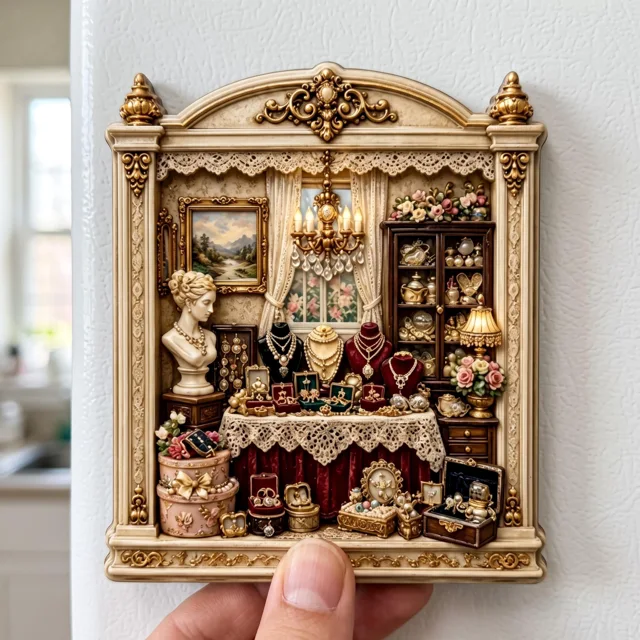
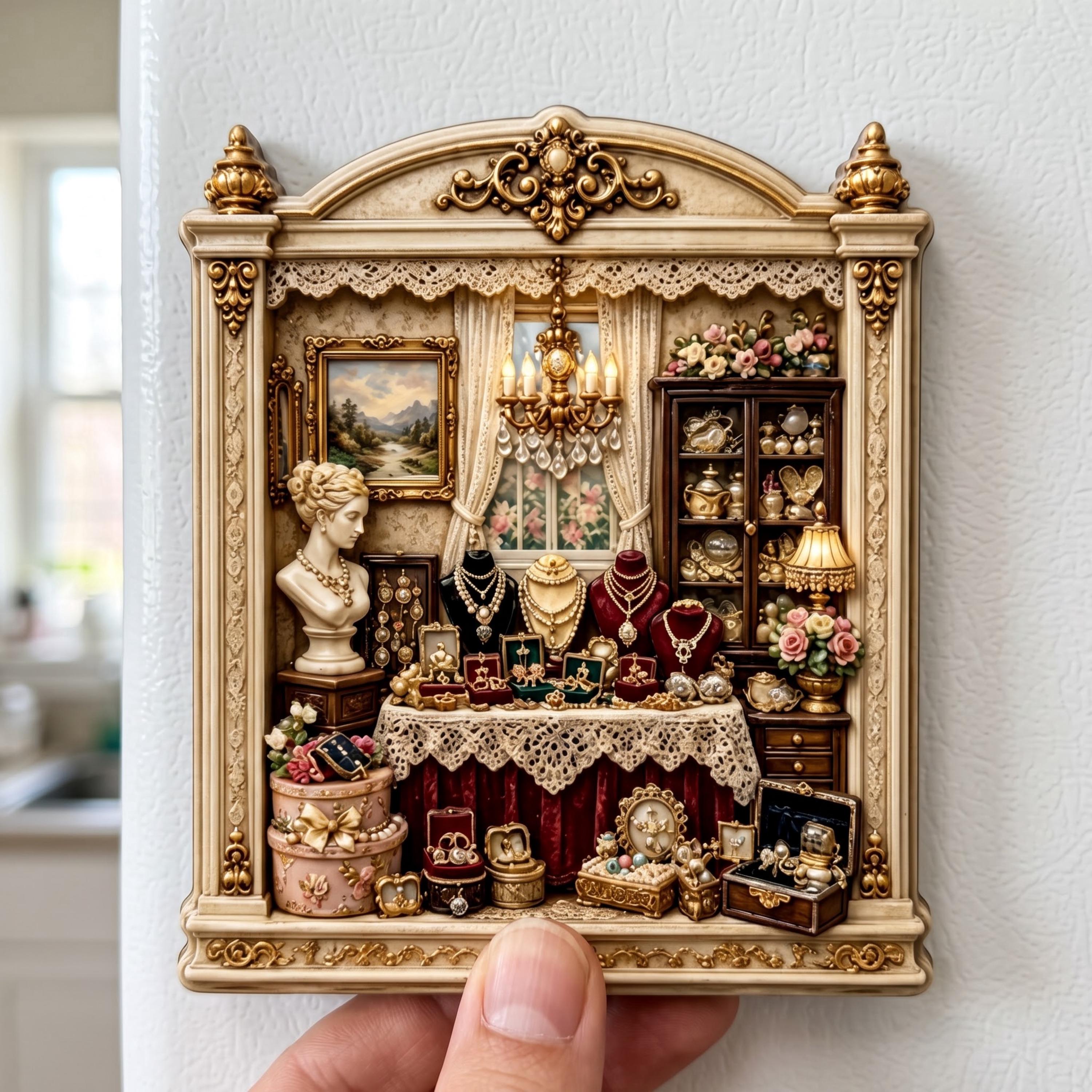
Consider modularity for seasonal change. Use interchangeable panels or small framed magnetic boards to rotate themes quickly. For retailers seeking extended product information, attach a small cardholder on the panel with a printed tag about the piece’s style; for example, place a card next to a romantic Victorian scene magnet to call out its ornate relief and miniature details. Link product pages in shop marketing materials and displays by including QR stickers or cards with your contact info and the online catalog at /contact/.
Group by theme and story
Curate small scenes rather than scattering single items. Group magnets that suggest an interior vignette—kitchen motifs, vintage scenes, or cozy nooks—so shoppers can visualize using multiple pieces together. A magnet like the "Resin Relief Fridge Magnet, Victorian Jewelry Shop Scene, Ornate Vintage Decor" can anchor a vintage corner with complementary trims and colors, encouraging collectors to add matching accents.
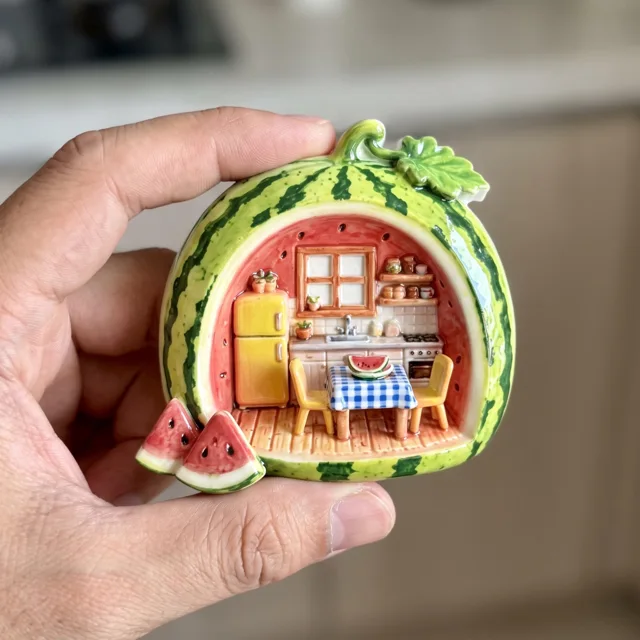
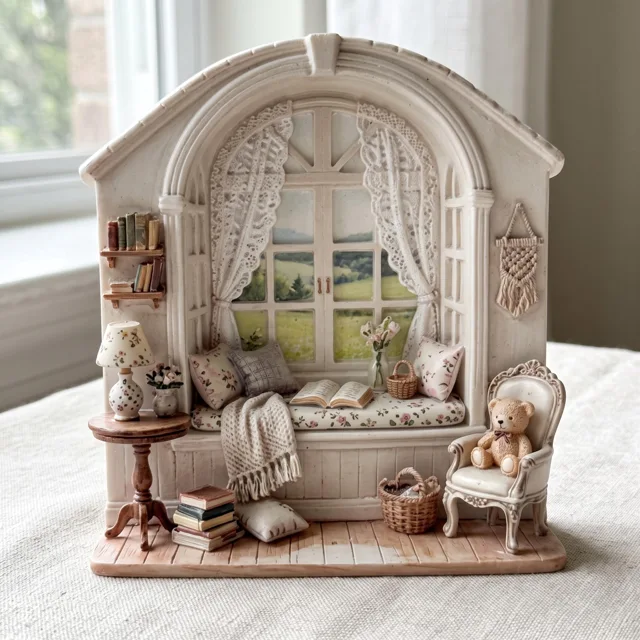
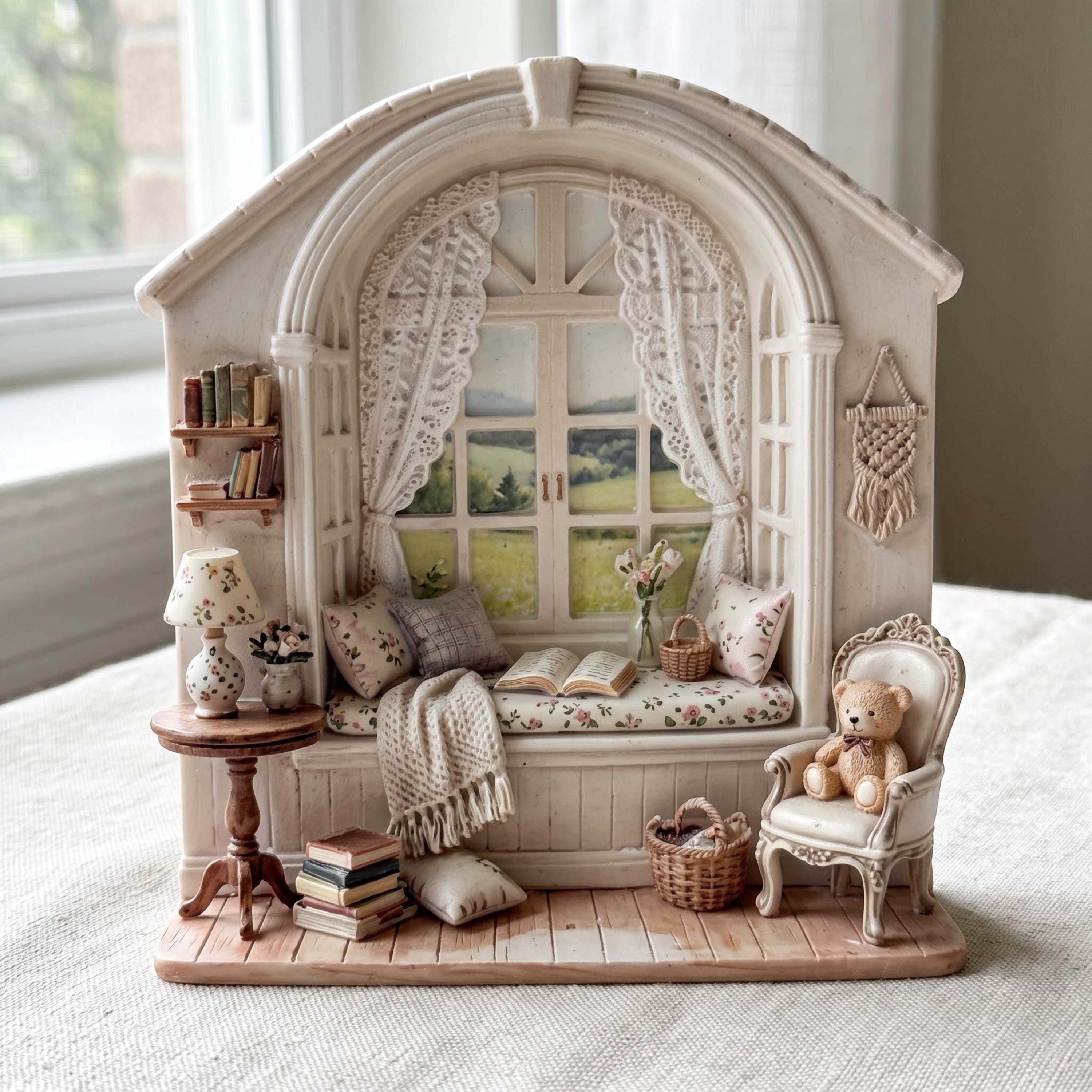
Mix scale and color intentionally. Combine dramatic relief pieces with smaller, whimsical items to create contrast. For instance, place the "Watermelon Fridge Magnet With Miniature Kitchen Scene, Whimsical Refrigerator Decor" near brighter, fruit-themed pieces and pair the 3D window reading nook magnet—"Refrigerator Magnet: 3D Cozy Window Reading Nook Miniature Relief Decor"—with softer textiles or bookish displays in a cozy-home section like /collections/cozy-kitchen-home/. Grouping this way helps customers see narrative combinations and increases add-on sales.
Lighting, sightlines, and tactile access
Highlight relief and texture with side lighting. Many decorative magnets rely on sculpted depth and shadow. Angle narrow beam LED strips or puck lights to accentuate raised edges and miniature scenes so the details read from across the aisle. Avoid harsh overhead fluorescents that flatten texture; softer directional lights make ornate lines and layered compositions more legible.
Allow customers to handle items safely. People buy decorative pieces after touching them. Provide an open shelf or a low ledge with a small mirror so shoppers can see how magnets look on a typical surface. Keep backup stock in nearby boxes and restock the display frequently. Remind shoppers of safety considerations—keep magnets and small pieces away from children and pets and note that a swallowed magnet requires urgent medical attention—by placing a discreet safety notice near the display or in staff training materials linked at /care/.
Signage, pricing, and merchandising copy
Use clear, concise labels. For small decorative items, readable price tags and short descriptive copy convert interest into purchases. Include the product name, a one-line mood or use suggestion, and the displayed retail price (your displayed prices are retail; wholesale terms are quoted separately). For detailed sculptural pieces, point out features customers might miss: the Victorian jewelry scene’s ornate trim, the watermelon magnet’s little interior diorama, or the reading nook’s floral cushions.
Encourage mix-and-match purchases. Offer merchandising signs that suggest combinations—"Create a mini kitchen scene"—and place sample pairings on the panel. Provide written guidance for retailers or wholesale buyers on larger display options via your /wholesale/ page or invite inquiries at [email protected].
Inventory, labels and online catalog integration
Stock thoughtfully to avoid gaps. Decorative magnets are often purchased as gifts or collectibles; keep multiple copies of bestselling styles and a few of the more unique sculptural pieces. Replenish the display before the end of the day and store extras in labeled bins by SKU or product name so staff can restock quickly. Use small sample cards that list the exact product URL for customers who want to order later or request a specific piece: include the exact product links to reduce confusion in mail orders.
Include exact product references on printed materials. For customer inquiries or mail-order requests through your static site, list the product links in handouts near the display—for example, the Victorian jewelry magnet at /products/resin-relief-fridge-magnet-victorian-jewelry-shop-scene-ornate-vintage-decor-4557262536/, the watermelon diorama at /products/watermelon-fridge-magnet-with-miniature-kitchen-scene-whimsical-refrigerator-decor-4575488494/, and the reading nook at /products/refrigerator-magnet-3d-cozy-window-reading-nook-miniature-relief-decor-4575520557/. That way, mail-order customers can reference the exact item when they contact [email protected] for purchase.
Packaging, care and staff training
Offer simple presentation options. For gifts, provide inexpensive kraft boxes, cello bags with a backing card, or small organza pouches so buyers can present magnets attractively. Include a brief care card that explains how to clean decorative magnet surfaces gently and where to find safety guidance on your site at /care/. Keep packaging near the display so cashiers can gift-wrap quickly.
Train staff on product stories and safety points. Staff should be able to describe what makes each piece special—the Victorian piece’s detailed miniature room effect, the watermelon magnet’s playful summer diorama, or the reading nook’s sculpted comfort—and remind buyers about keeping small magnets away from children and pets. Equip them with materials that list product links and store contact details like the company name ECLIPSE GIFTS LLC and email [email protected] for customers who want to place a mail-order request or ask about wholesale arrangements.
Display refresh and seasonal planning
Rotate focal pieces monthly. Freshness keeps repeat customers engaged. Swap a central anchor magnet with a new or seasonal piece and rework surrounding groupings so the display feels intentional—move the bright watermelon scene into summer merchandising and shift the cozy reading nook into cooler months paired with textile samples and bookish props.
Plan small-event tie-ins. Use the magnet wall for mini launches or local-event tie-ins: promote themed nights, partner with nearby cafés for cross-promotion, or spotlight a matched-home vignette at a weekend market. Link these events to your journal and contact pages so customers can follow upcoming displays and inquire about purchases at /journal/ or /contact/.
Topics: gift shop magnet merchandising, magnet display, retail gift merchandising, decorative refrigerator magnet, visual merchandising