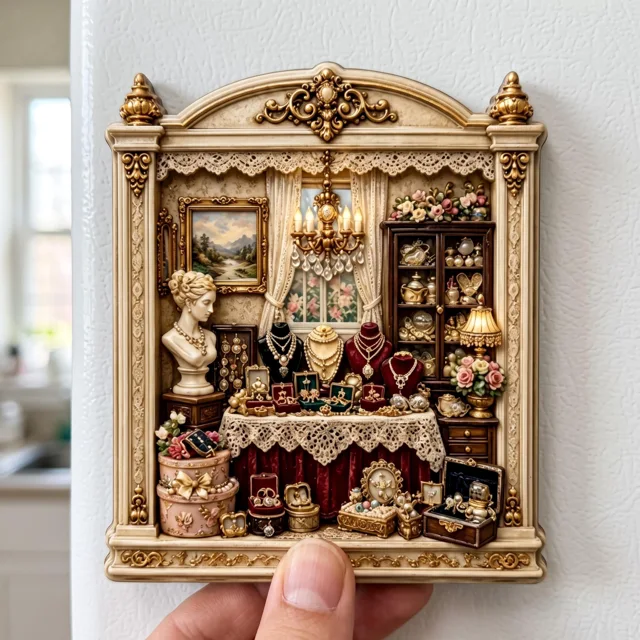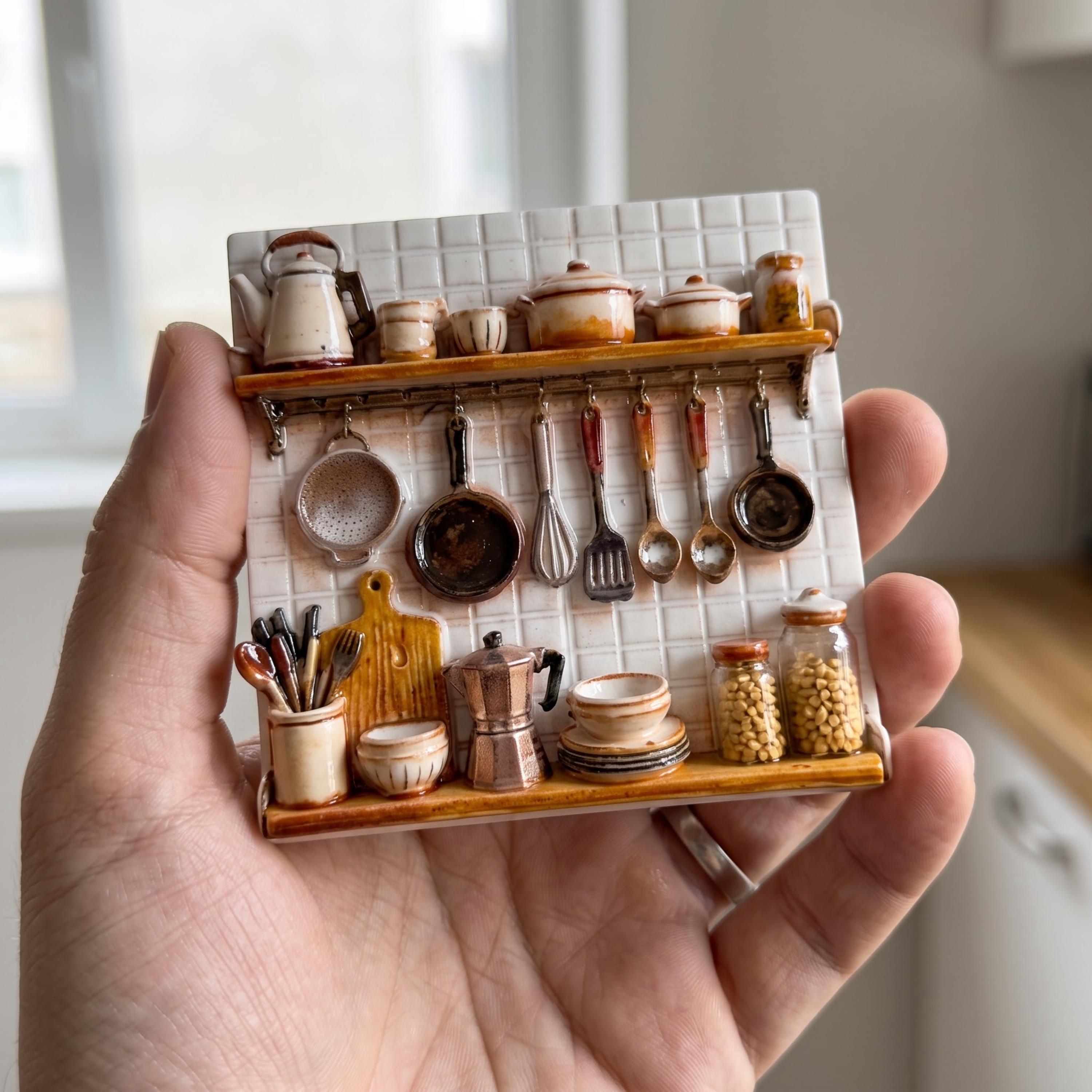
Decorative fridge magnets add personality to the busiest kitchens, holding notes, recipes, and moments of charm. Keeping them clean, secure, and safe around children and pets makes them last and keeps the refrigerator looking tidy. The guidance below offers realistic, specific fridge magnet care tips for home shoppers and independent retailers handling decorative magnets in retail or wholesale settings.
Assessing where to place decorative magnets
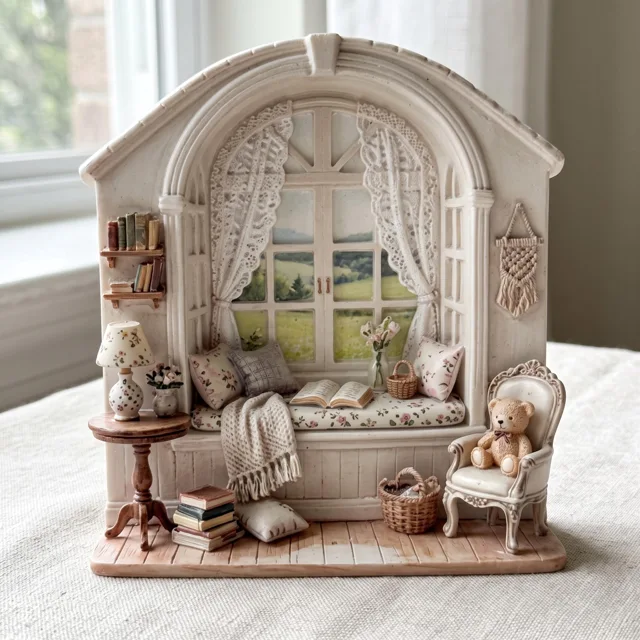
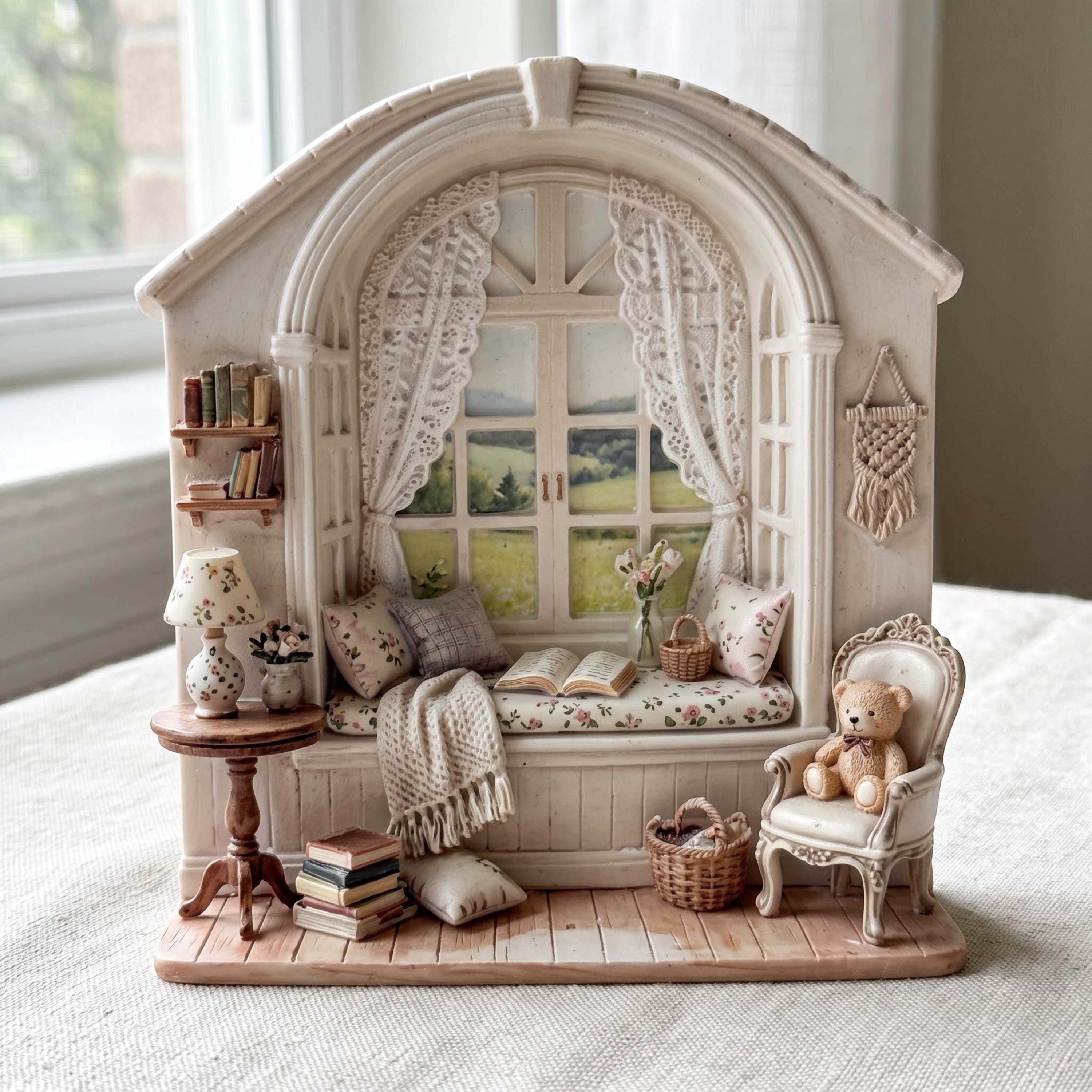
High-traffic areas on a refrigerator—near the handle, on the main door, or around the snack drawer—get constant contact. Choose locations where magnets won’t be repeatedly knocked against the floor or cabinet edges. For delicate pieces, place them higher up and away from swinging doors to reduce the chance of accidental drops and chips. Retailers preparing displays should test magnet adhesion on the types of metal surfaces they expect customers to have; the 3D Cozy Window Reading Nook comes with a reliable magnetic backing suited to typical fridge doors.
Textures and surface finishes on appliances vary; avoid placing decorative relief magnets near vents or seams where edges might catch. If you use magnets to hold paper, center the paper on the magnet’s flat area so the load is distributed and the piece isn’t stressed at one point. For retail displays, alternate placement heights and groupings to show shoppers how the magnet functions both as decor and a utility item—linking to /collections/cozy-kitchen-home/ can help direct customers to complementary pieces.
Regular cleaning without damaging finishes
Grease, fingerprints, and cooking splatter are common in kitchens. Wipe decorative magnets gently with a soft microfiber cloth dampened with mild soapy water. Avoid abrasive cleaners, scouring pads, or solvent-based products that can dull painted or resin finishes. For relief or sculpted magnets, use a soft-bristled brush—an old toothbrush works well—to dislodge crumbs from crevices, then pat dry with a lint-free cloth.
If a magnet has paper elements attached (notes, recipes, photos), remove those before cleaning. Never submerge a magnet in water if you’re unsure whether the backing or adhesion method is water-resistant. For spot cleaning of stubborn smudges, test a small inconspicuous area first and use minimal pressure. Retailers can include simple care cards with each sale that summarize these fridge magnet care tips to reduce returns and customer confusion—link them to /care/ for more details.
Safe handling and child/pet precautions
Decorative magnets are not children's toys. Keep small magnets and any detachable pieces away from toddlers and pets; if swallowed, magnets can cause serious internal injury and require urgent medical attention. Place delicate magnets out of reach or in higher display zones in a home with young children, and advise store customers to do the same. Clear signage in the shop and on packaging can reinforce safety without creating alarm.
For retailers offering mixed displays, separate decorative magnets from small accessories marketed for adults and add disclaimers in mixed product photos. If a magnet has a particularly strong magnetic backing, warn customers not to place it near medical devices such as pacemakers and recommend they consult a medical professional for specific guidance. Keep the ECLIPSE GIFTS contact details visible for retail or wholesale inquiries: ECLIPSE GIFTS LLC, Saint Louis Missouri, contact [email protected] or direct them to /contact/.
Simple repairs and when to seek professional help
Minor chips or loose elements on resin or sculpted magnets can often be stabilized at home. Use a tiny amount of clear-drying craft adhesive to reattach small flakes; work in a well-ventilated area and let the piece cure flat so the repair aligns. For hairline cracks, a dab of clear resin or cyanoacrylate applied sparingly can reduce worsening damage. Always follow the adhesive manufacturer’s instructions and test on a hidden area first to ensure it doesn’t discolor the finish.
If the magnetic backing detaches, you can re-affix it with a thin, strong epoxy designed for metal-to-resin bonds. However, if a magnet’s sculpted surface has significant loss of detail or the piece is a valued collectible, consider consulting a professional conservator for decorative objects. Retailers should communicate a no-home-repair policy for certain items if they plan to offer refurbishment services through authorized channels; link interested retailers to /wholesale/ for partnership discussions.
Organizing and storing spare magnets
For shoppers and small retailers, storing spare decorative magnets properly prevents scratches and keeps sets together. Lay magnets flat in a shallow box lined with soft tissue paper or bubble wrap, separating pieces with layers to avoid scuffs on painted surfaces. Avoid stacking heavy items on top of magnet collections; compression can warp the backing or damage fragile relief details.
If you rotate seasonal displays, label storage containers with contents and a thumbnail photo so pieces are easy to find later. For wholesale buyers keeping inventory, consider grouping by theme or color and maintain a simple inventory list—this expedites restocking and merchandising. Small retailers placing wholesale orders can request further information by visiting /wholesale/ or contacting the brand via [email protected].
Display strategies that reduce wear and highlight details
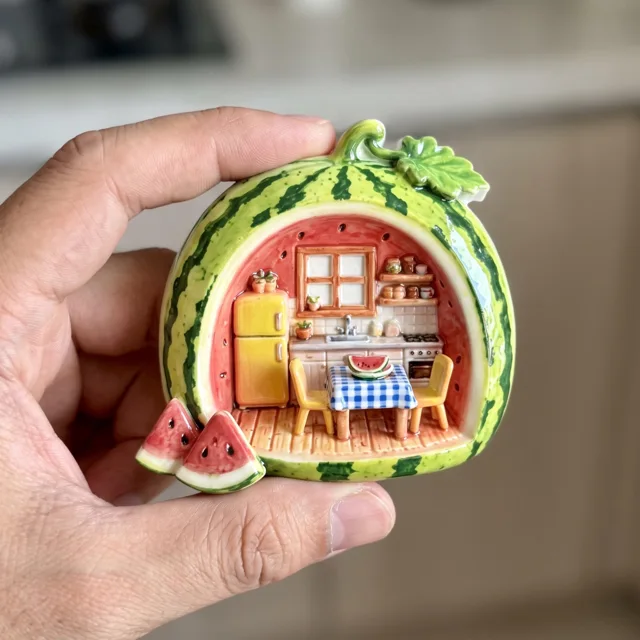
In a retail setting, use risers or shallow shadow boxes to protect three-dimensional pieces from being jostled and to communicate value. Group complementary items—such as the Watermelon Miniature Kitchen and other colorful accents—on a single board to show customers styling options. Include small printed fridge magnet care tips by each display so buyers understand how to maintain the finish and ensure longevity.
When to replace magnets and how to refresh a collection
Even with careful upkeep, magnets can eventually show wear—fading colors, loss of relief detail, or weakened backing. Replace items that are cracked, flaking, or have compromised magnets to avoid scratched surfaces or fallen pieces. For shoppers curating a kitchen look, rotate older magnets into storage and introduce a few new accents each season to keep the display feeling fresh without overcrowding the refrigerator door.
Retailers should advise customers about refresh cycles and offer coordinated sets from /collections/cozy-kitchen-home/ that let buyers update a vignette with minimal risk. For wholesale inquiries about stocking complementary decorative magnets, direct questions to /wholesale/ or email [email protected] for details and ordering procedures.
Topics: fridge magnet care tips, decorative magnet maintenance, kitchen magnet safety, magnet display tips