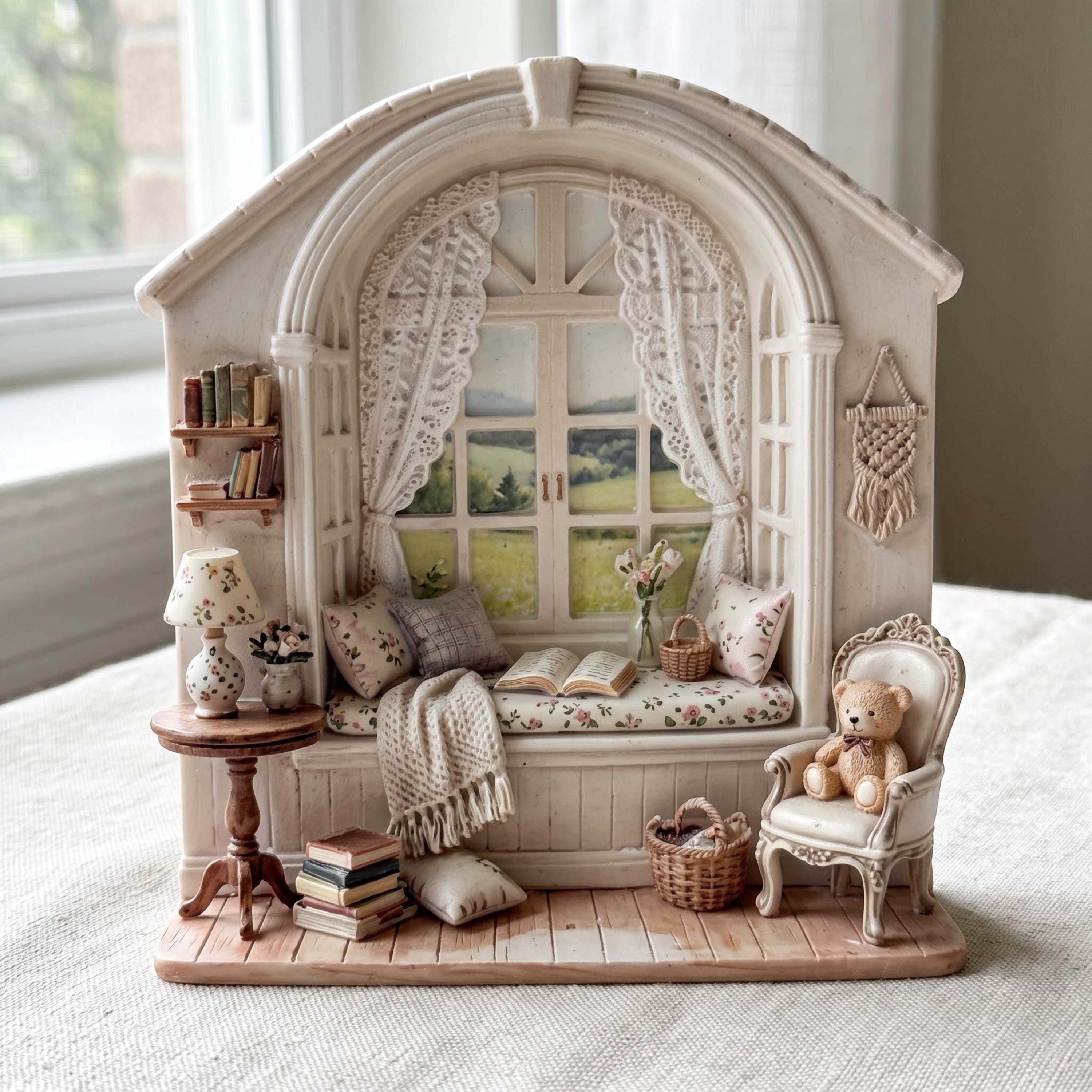
Small kitchens and studio apartments benefit from decisive design moves. Choosing one meaningful focal detail lets you create visual interest and a sense of order while keeping counters clear and traffic flowing. In compact spaces, a single accent can double as a practical element—an artful magnet that holds lists, a shelving vignette, or a bold tile patch that sets the room’s tone.
Why one focal detail works in small kitchens
In small kitchens, every inch matters. Instead of trying to layer multiple competing accents, pick one focal detail to concentrate visual energy and limit visual clutter. That focal element becomes the design anchor: it gives the eye somewhere to rest and helps other elements recede into supportive roles.
When you commit to one dominant detail, you also simplify decision-making. Color, texture, and scale choices can be coordinated around that detail, making it easier to choose dish towels, a rug, or a shelf arrangement. Even practical touches—like a decorative magnet that holds grocery lists—perform double duty in tiny kitchens as both functional and decorative elements.
Choosing the right focal detail
Select a focal detail that complements your routine and the layout. In an open-plan studio the focal point might be the wall above the mini-fridge; in a galley kitchen it could be the backsplash behind the stove or a small shelf that faces the room. The focal detail should be visible from several angles and proportionate to the space so it reads as intentional rather than overpowering.
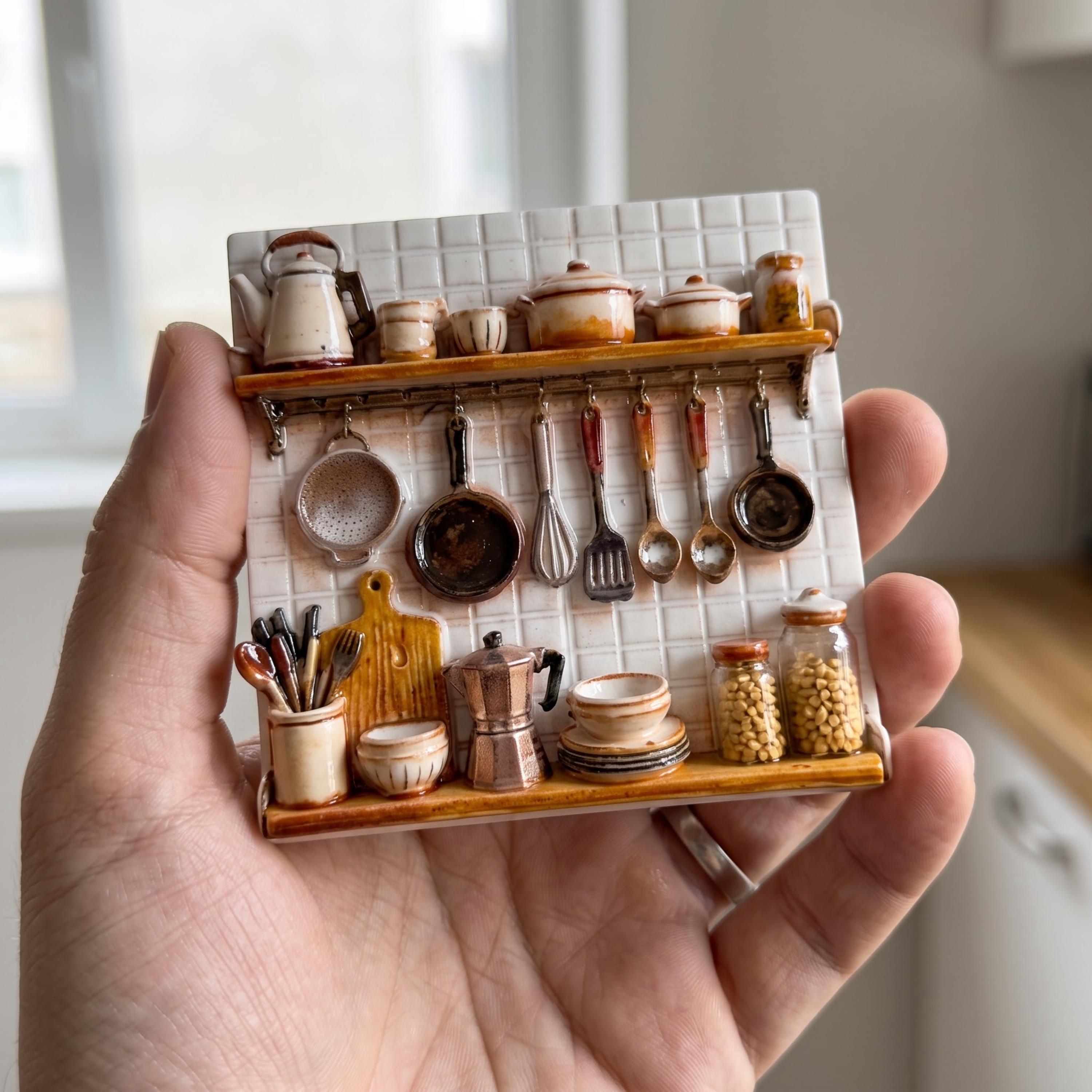
Consider materials and color temperature. Warm wood or tactile textiles soften compact spaces, while a crisp graphic tile or metal detail can give a modern, clean look. If you want a cozy, lived-in feel, a miniature scene magnet such as a tiny shelf still life will set the tone without taking up countertop real estate. See a good example here: Fridge Magnet, Rustic Kitchen Shelf Still Life Decor.
Using decorative refrigerator magnets as focal accents
Decorative refrigerator magnets are an ideal focal detail for small kitchens because they sit on an existing surface and can be changed seasonally. Choose a magnet with strong silhouette, color, and narrative detail to draw the eye. A multi-dimensional piece provides depth on a flat plane and reads like miniature art.
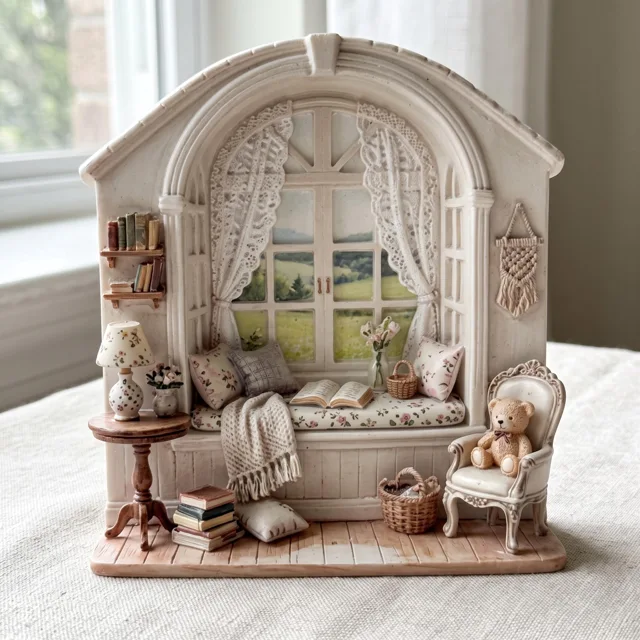
For instance, the 3D window reading nook magnet has sculptural depth and a calm color palette that makes it an inviting focal point on a fridge or magnetic board: Refrigerator Magnet: 3D Cozy Window Reading Nook Miniature Relief Decor. Keep safety in mind: magnets and small pieces should be kept away from children and pets, and a swallowed magnet requires urgent medical attention.
Scale, placement, and contrast in small spaces
Scale is crucial. A focal detail that’s too small will disappear; one that’s too large will crowd the space. On a refrigerator door, pair a single prominent magnet with a slim list pad or a small photo to maintain balance. If your focal detail is a shelf vignette, keep objects on the shelf to a few pieces—varying height and texture but maintaining negative space between them.
Contrast helps the focal detail read from a distance. If your kitchen walls are light, pick a magnet or accent with richer tones or a defined edge. Conversely, a light-toned magnet pops on a darker fridge finish. Use contrast thoughtfully so the focal item stands out without clashing with neighboring elements like cabinetry, towels, or a backsplash tile.
Coordinating textiles, hardware, and small accessories
Once you have a focal detail, tie in color and texture with small supporting elements. A single tea towel, a set of matching magnets, or a compact dish rack in a coordinating tone can reinforce the chosen palette. Keep supporting accessories simple and repeat a material or hue two or three times for visual cohesion.
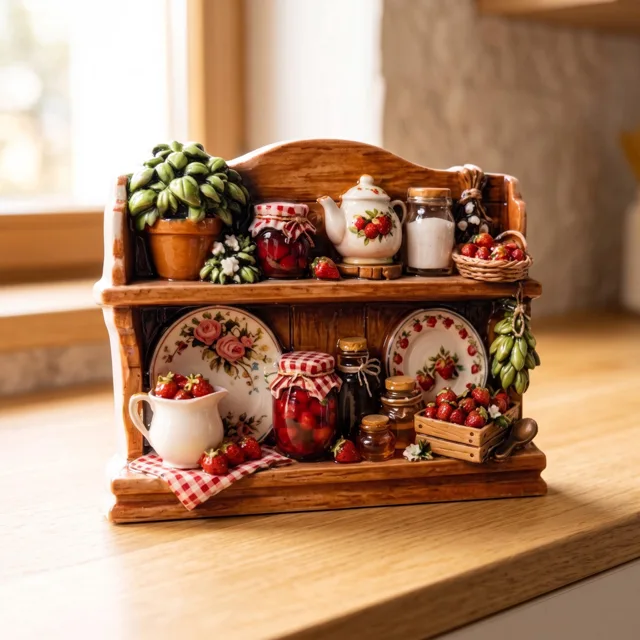
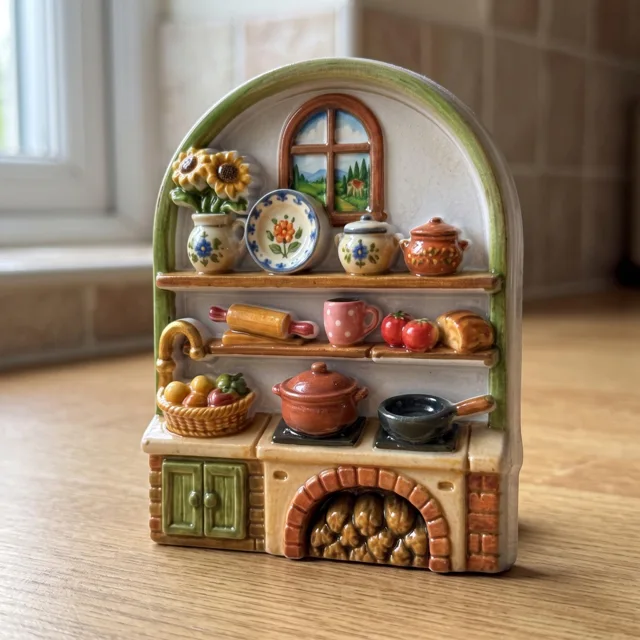
For shoppers and independent retailers planning displays or packages, create small groupings that show how one focal magnet can anchor an entire shelf vignette. The Resin Kitchen Magnet Miniature Shelf Scene illustrates how a compact art object can suggest an entire aesthetic around which customers can build complementary textiles and ceramics: Resin Kitchen Magnet Miniature Shelf Scene, Cozy Home Decor Accent. For more curated home ideas visit the collection at /collections/cozy-kitchen-home/.
Functional considerations: storage, lighting, and maintenance
A focal detail should not interfere with function. Keep counters and prep surfaces clear; place focal pieces on vertical planes like backsplashes, the refrigerator, or wall-mounted pegs. Lighting will make a small focal detail read as intentional: a simple under-cabinet LED or a directional picture light can highlight a magnet or tiny shelf scene without adding clutter.
Maintenance is also important. Magnets near cooking areas may collect grease; choose finishes that clean easily and wipe them periodically. If you’d like care instructions for decorative pieces, see /care/. Retailers who want to stock focal accent pieces can request wholesale information at /wholesale/ or reach out directly via email at [email protected].
Styling for renters and retail display tips
Renters can create convincing permanence with noninvasive focal details. Use removable hooks, magnetic fixtures, and attractive magnets to personalize a kitchen without altering it. A single magnet cluster or a short strip of open shelving can transform the look of a fridge or a blank wall in minutes.
Independent retailers, consider merchandising around one focal piece to tell a clear story. Create mini vignettes on counter-height islands or in window displays featuring a single magnet as the hero, supported by coordinated towels, jars, and gift-wrapped small items. Include a printed tag with safety language and care tips, and provide customers with contact options for wholesale or special orders at /contact/. For styling inspiration and product pairings visit our journal at /journal/.
Topics: small space kitchen accents, compact kitchen decor, decorative refrigerator magnet, kitchen focal point